Advertisement
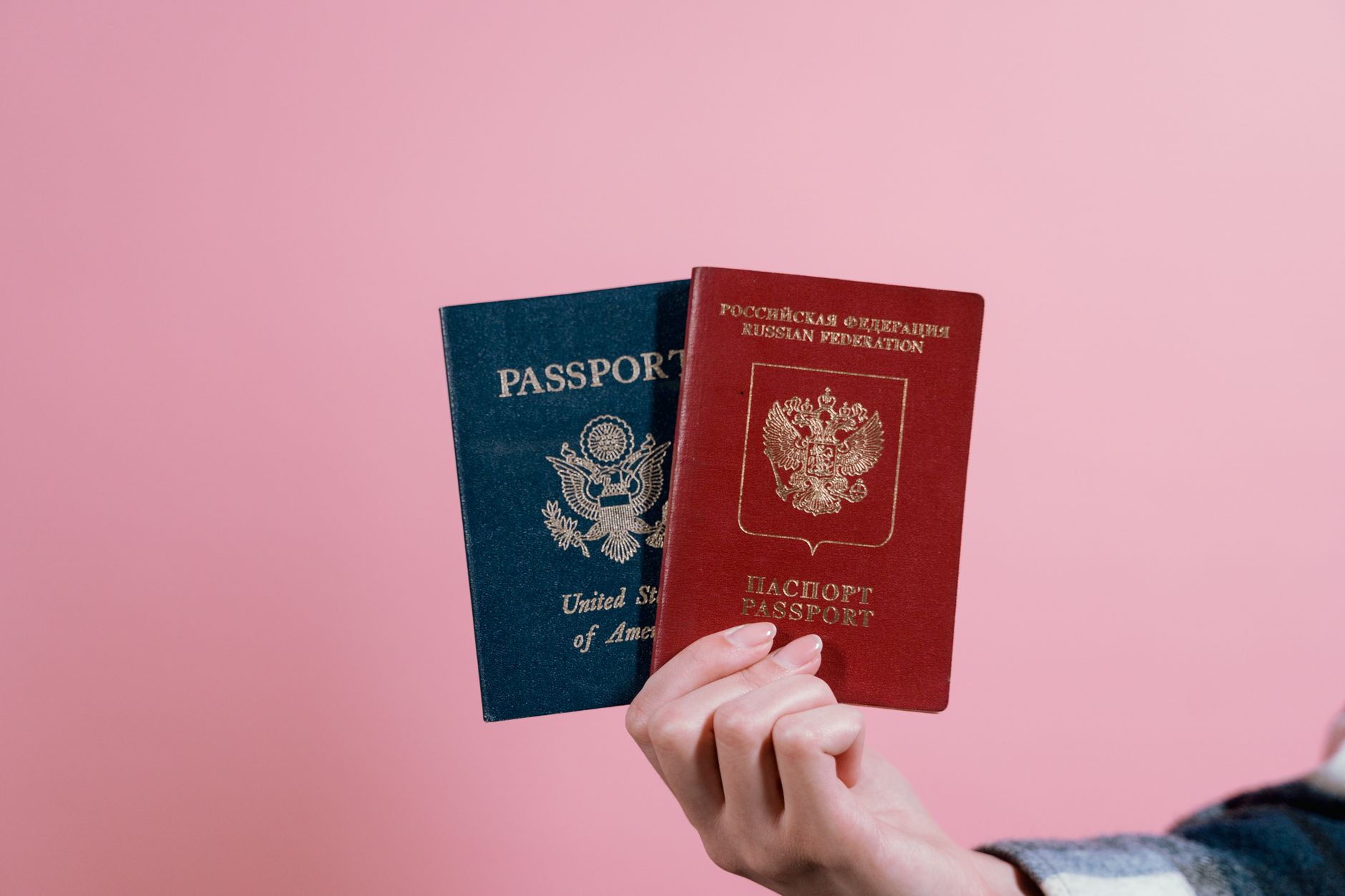
The Cyrillic alphabet, used across Russian, Ukrainian, Bulgarian, Serbian, and other Slavic languages, does not contain the letters X, W, or Q. Those three letters simply do not exist in the writing system. When a name using any of them gets transliterated into Cyrillic for a Russian passport, a birth certificate for a dual-national child, or a family document sent to relatives in Kyiv or Sofia, the letters must be substituted. The substitution is not standardized. Different transliteration schemes give different results. Your child's name can end up spelled multiple ways in Cyrillic depending on which document was filed by which official.
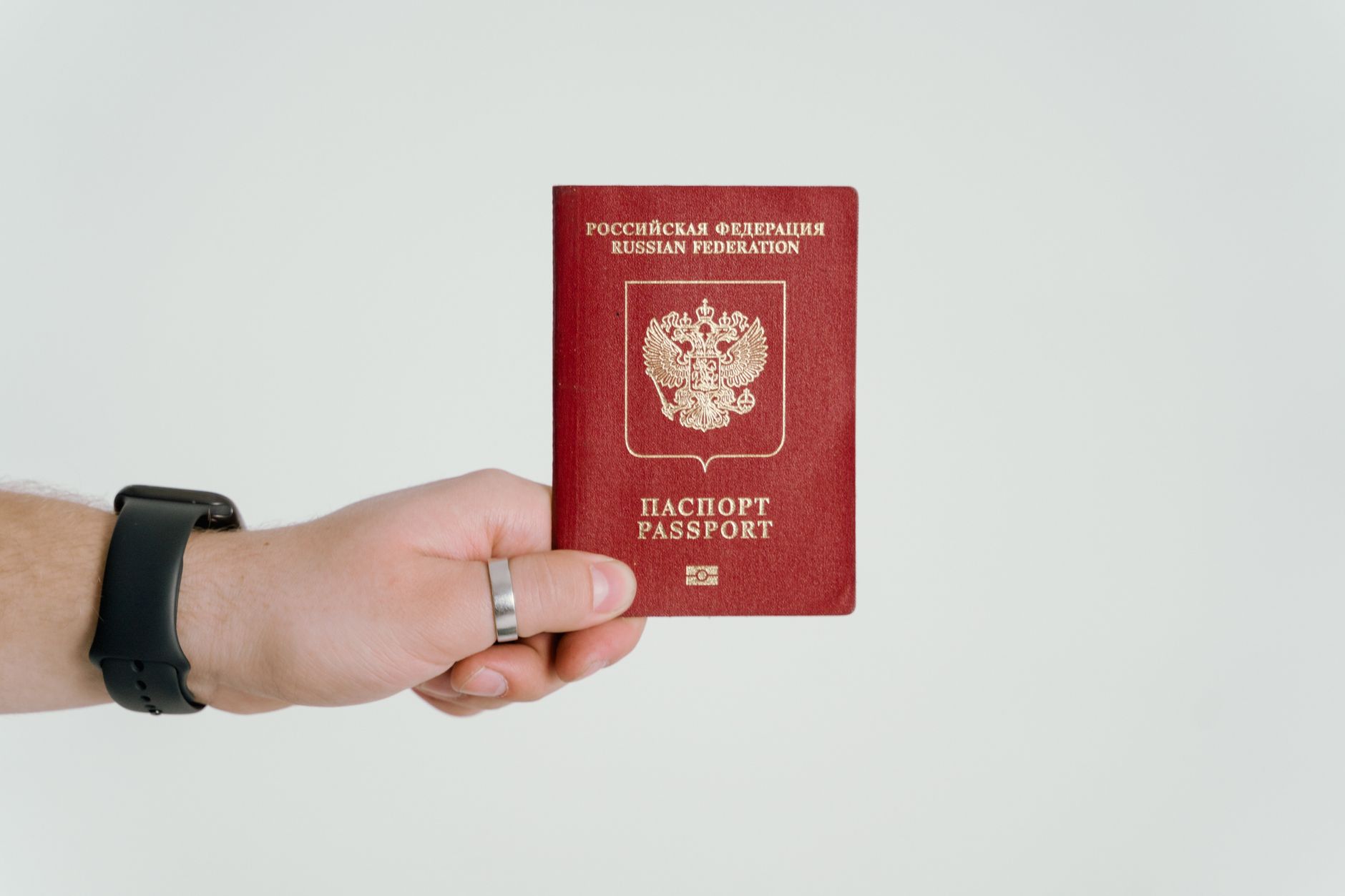
US parents who plan for their child to hold dual citizenship, receive documents from a Slavic-speaking country, or simply travel with grandparents to a Cyrillic-alphabet country should think about this before naming. This checklist walks through what happens to X, W, and Q names and how to plan around the transliteration mess.
Advertisement
The core problem in one paragraph
Cyrillic transliteration is a mapping between English letters and Cyrillic letters. For most English letters, the mapping is straightforward. E becomes Cyrillic Э or Е. M becomes М. But for X, W, and Q there is no direct equivalent. Multiple Cyrillic letters or letter combinations can approximate the sound. Different official transliteration schemes make different choices. The result is that Xander in Russian documents might appear as Ксандер, Зандер, or in older systems Ксандр or Xандер, depending on who is issuing the document.
Checklist for X names
1. Will your child ever hold a Russian, Ukrainian, or other Cyrillic-alphabet document?
If yes, X names require a transliteration choice. If no, you can skip the rest of this section, but keep reading if extended family sends birthday cards in Cyrillic script.
2. Which sound is the X making in your chosen name?
English X can be pronounced as KS (Alexander, Xander), as Z (Xavier at the start), as EX (X-ray sound), or as KH in some borrowed words. Cyrillic transliteration follows the sound, not the letter. Alexander becomes Александр, using the K and S separately. Xavier becomes Ксавье in some systems and Хавье in others.
3. Do you have a preferred spelling for family documents?
Decide before your child receives their first Cyrillic-alphabet document. Communicate that spelling to any relative who might register the birth abroad, send a letter, or apply for citizenship. Once one official Cyrillic spelling is on paper, later documents may follow that precedent.
4. Are you comfortable with two spellings across two alphabets?
Most bilingual families are. Your child will spell their name one way in English forms and another way in Cyrillic forms. This is normal for dual-heritage kids and is not a source of long-term confusion.
Checklist for W names
5. Is the W at the start of the name?
Names like William, Walter, Wyatt, and Wesley face the biggest transliteration challenge because the opening sound anchors the whole name. Cyrillic uses either В (V sound) or У (U or W sound) as substitutes. William becomes Уильям in modern Russian transliteration but Вильям in older Bulgarian tradition. Both are legitimate. Both are your child's name in the target country.
6. Is the W in the middle of the name?
Names like Owen and Rowan have a W-like sound in the middle. Cyrillic uses У or a vowel diphthong. Owen becomes Оуэн or Оуен depending on scheme. Rowan becomes Рован. The middle-W problem is milder than the initial-W problem.
7. Are you willing to let the pronunciation drift?
W names transliterated with В will be pronounced with a V sound in Slavic countries. William with В becomes Villyam in the mouth. If that bothers you, request the У transliteration and accept a different set of tradeoffs. If it does not, accept the V version as the local form of the name.
Checklist for Q names
8. Is your child's name based on a Q-heavy source?
Q names in English are rare outside of Arabic-origin names (Qadir, Qasim, Qamar) and unusual choices (Quinn, Quincy). Cyrillic transliterates Q usually as К or as КВ if the Q is followed by U.
9. For Quinn and Quincy specifically
Quinn becomes Куинн or Квинн in Cyrillic. Both are attested. Quincy becomes Куинси. The pronunciation drifts because Cyrillic speakers reading Quinn as Kuinn will typically produce two full syllables instead of one, giving the name a Slavic melody rather than the crisp English snap.
10. For Arabic-origin Q names
Qasim, Qadir, and similar names use a Q that represents a specific Arabic sound closer to a deep K. Cyrillic transliteration usually renders this as К, losing the distinction. The name arrives in Cyrillic as Касим or Кадир, which Russian-speaking Muslim families may accept as the local form.
Reference table
| Name | English letter | Common Cyrillic transliteration | Slavic pronunciation |
|---|---|---|---|
| Xander | X (KS sound) | Ксандер | KSAN-der |
| Xavier | X (Z sound) | Ксавье or Хавье | Ksav-YE or Khav-YE |
| William | W | Уильям or Вильям | Oo-EEL-yam or VEEL-yam |
| Owen | W in middle | Оуэн | OW-en |
| Quinn | Q | Куинн or Квинн | Koo-EEN or KVIN |
| Alexis | X | Алексис | Ah-LEK-sis |
Practical steps to control the outcome
- Decide before the birth whether your child will need a Cyrillic-alphabet document at any point.
- If yes, choose the specific transliteration you want and write it down.
- Share that transliteration with any relative who might process paperwork abroad.
- When the first Cyrillic document is issued, verify the spelling before it becomes official.
- Keep a copy of that spelling for all future document requests.
- Explain the two-spelling situation to your child as they get old enough to notice, so they understand both are theirs.
The passport spelling determines your future
Once a Russian, Ukrainian, or Bulgarian passport is issued with a specific Cyrillic spelling, subsequent documents in that country typically follow it. Getting the passport spelling right the first time saves the child from a lifetime of explaining that Ксандер on their passport and Xander on their US driver license are the same person. Border officials, banks, and airlines have all seen this before, but the child should have the answer ready.
An alphabet is a design system. Your name is a piece of design that has to work inside every system your child will inhabit.
When the transliteration problem should change your shortlist
If Cyrillic dual citizenship is a definite future for your child and you want the name to survive cleanly, favor names that use only letters with clean Cyrillic mappings: Anna, Sofia, Nikolai, Mikhail, Elena, and Sara all move between alphabets without ambiguity. Names built on X, W, or Q always face translational choices. This is not a reason to abandon a name you love, only a reason to know what will happen.
For the broader question of how names move across writing systems, see how a baby name travels across languages and how names interact with non-Latin surnames. Both cover related mechanics from different angles, and the design instincts in pairing an Anglo first name with a Slavic surname also apply here.
Frequently Asked Questions
Is the Cyrillic spelling of my child's name legally binding somewhere?
In the country that issued the document, yes. That spelling becomes the child's official identity in that jurisdiction. It cannot easily be changed later without a formal process.
Can I request a specific transliteration on a foreign passport?
Sometimes. Some consulates allow parental preference on transliteration for first passport issuance. Others follow a fixed transliteration table. Ask at the consulate before the appointment.
What if my child never uses the Cyrillic spelling?
Then it does not matter much. The document exists but the daily identity is the English spelling. The Cyrillic version becomes relevant only if the child ever activates citizenship rights or lives long-term in the country.
Does the transliteration change how relatives pronounce the name?
Yes. Relatives reading the Cyrillic version will pronounce it by Cyrillic-alphabet rules, which can produce a version quite different from the English original. Prepare for this and choose the transliteration that gives you the most acceptable spoken version.
Are there specific X, W, or Q names I should avoid?
Names with multiple problem letters get harder. Wyatt-Xavier or Quincy-Wolf carry both problems at once. Simpler shortlists survive Cyrillic more gracefully.