Advertisement
Two philosophies of baby naming pull US parents in opposite directions right now. On one side, the ethnic-neutral name: Anna, Leo, Mia, Noah, Sara. Universally readable, easy for teachers, portable across borders, low friction in professional life. On the other side, the culturally rooted name: Anushka, Diego, Priya, Kamal, Saoirse. Specific to a heritage, a language, a tradition, or a region. Requires occasional explanation. Signals identity clearly.
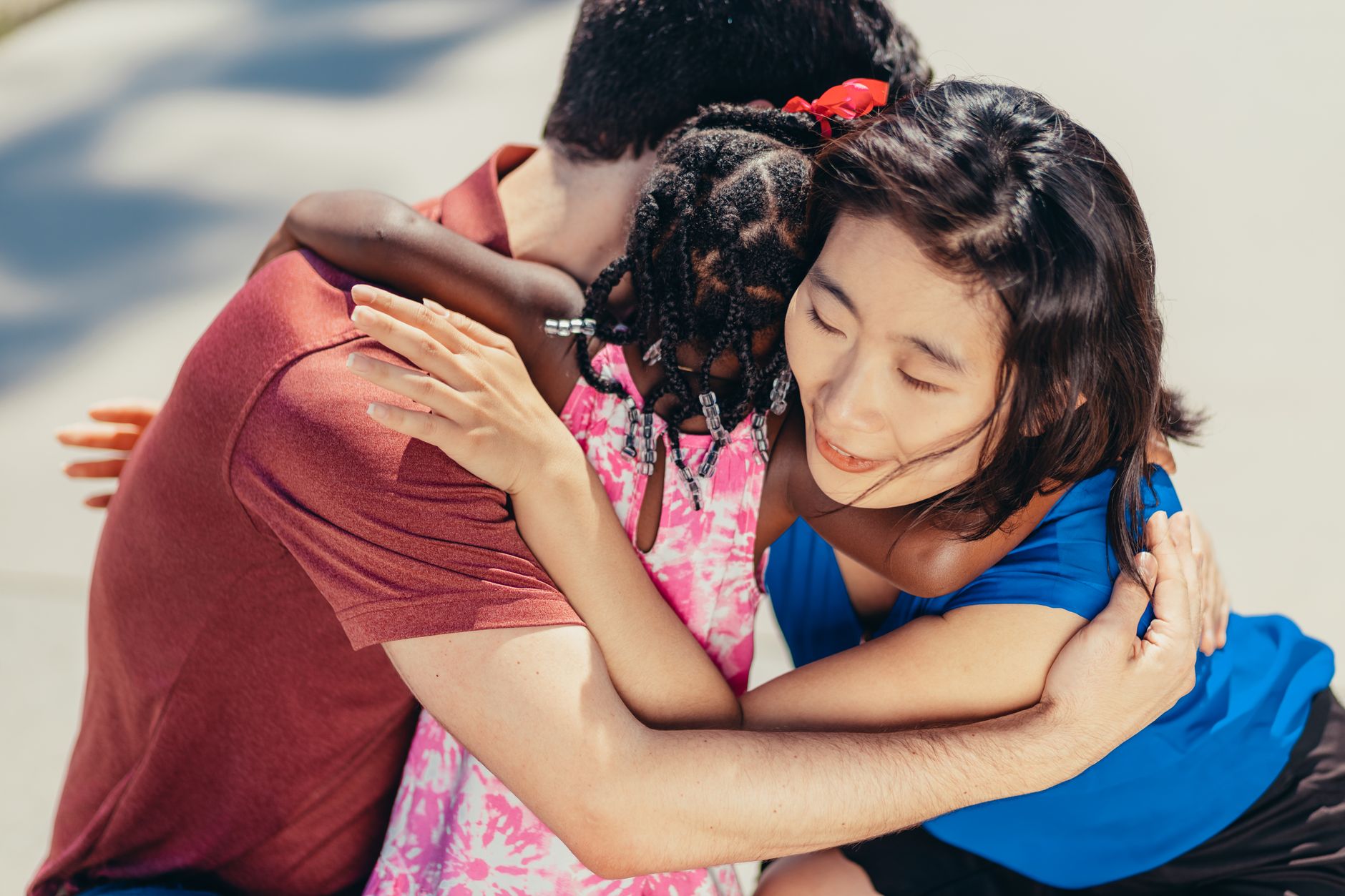
Neither philosophy is correct. Both produce well-named children. Both carry tradeoffs. This piece compares the two philosophies directly, so parents making the choice can see honestly what each gives and what each asks.
Advertisement
What ethnic-neutral names actually offer
Low daily friction
Teachers spell them correctly on the first attempt. New coworkers can pronounce them. Baristas do not ask twice at the coffee shop. The name never becomes a small daily chore. Over a lifetime this saves hours of correction and thousands of minor social frictions.
Portability
An ethnic-neutral name works in the US, in the UK, in Spain, in Germany, and in most of Latin America without significant adjustment. If your child moves across countries in adulthood or works globally, the name will follow without requiring transliteration or re-explanation. This is one specific case of the pattern in how a baby name travels across languages.
Professional flexibility
Studies of hiring bias have shown that names carrying strong ethnic signal receive different callback rates in some US markets. This is not a defense of the bias but a fact parents may weigh. An ethnic-neutral name reduces one specific friction point in early careers. Whether that friction should be dodged or challenged is a values question every parent answers differently.
Room for individual identity
The name does not do the identity work. The child does. Ethnic-neutral names put the burden of individual expression on the person rather than on the name, which some parents see as a feature.
What culturally rooted names actually offer
Anchored identity
The name signals immediately which heritage, which language, which tradition the child belongs to. This is a gift in families where cultural continuity matters, and where the child growing up in the US would otherwise lose easy access to that identity through school, media, and peer immersion.
Grandparent honor
Culturally rooted names are the ones grandparents can pronounce natively, feel proud of, and connect to their own lives. A child named after a grandmother, or named in the tradition of a specific region, becomes a living link back to a lineage. Ethnic-neutral names are harder to honor with.
Specificity in a world of sameness
Emma has been in the US top five girls names for years. Anna, Sophia, and Olivia are all extremely common. A culturally rooted name reduces the chance of the child being one of three in their kindergarten class with the same first name. Uniqueness is a real value for some families.
Cultural repair
For families whose parents or grandparents Anglicized their names under earlier generations of assimilation pressure, using a culturally rooted name for the next generation is a deliberate act of reclamation. It reverses a specific historical loss and hands the child back what the previous generation had to give up.
Side-by-side comparison
| Dimension | Ethnic-neutral (e.g., Anna, Leo) | Culturally rooted (e.g., Anushka, Kamal) |
|---|---|---|
| Teacher pronunciation | Correct on first try | Approximated, sometimes wrong for years |
| Grandparent connection | Weak if grandparents are non-English | Strong when name honors the tradition |
| Cross-border movement | Fluid | Some transliteration friction |
| Uniqueness in class | Low, often duplicated | Usually the only one in the room |
| Professional bias exposure | Minimal | Real in some markets |
| Signals heritage | Rarely | Clearly |
| Requires explaining daily | No | Sometimes |
| Feels distinctive | Rarely | Usually |
The middle path most families actually take
The comparison above suggests a binary. In practice, most US families with mixed cultural backgrounds combine both. Culturally rooted first name, ethnic-neutral middle. Ethnic-neutral first name, culturally rooted middle. Or a name that happens to work in both worlds: Sofia, Adam, Sara, Leo, Mia, Anna, Noah. These names are technically culturally rooted (all have specific ethnic and religious histories) but have been used so widely across cultures that they read as neutral in the modern US.
This middle path defers the choice by giving the child both signals simultaneously. It is the strategy most extended families accept without conflict, and it aligns with the framework in how two-culture households resolve the first-name decision.
What each philosophy asks the child to do
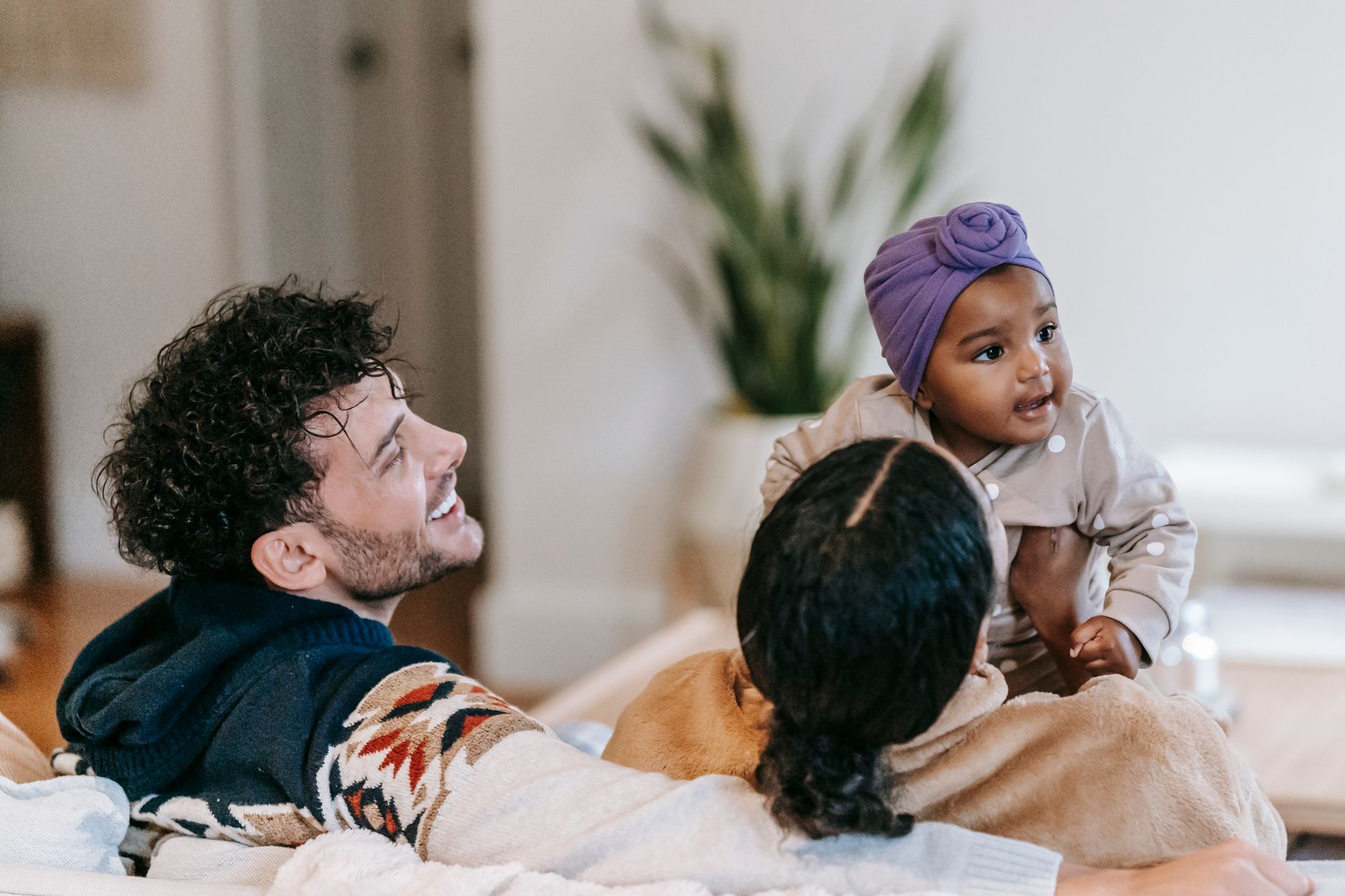
Ethnic-neutral asks the child to build identity elsewhere
The name will not do the work. The child will need other markers of identity (language spoken at home, cultural practices, family relationships) to feel connected to whatever heritage matters to the family. If those other markers are strong, an ethnic-neutral name is neutral. If those markers are weak, an ethnic-neutral name accelerates cultural drift.
Culturally rooted asks the child to carry the signal
The child will be identified by the name in every new setting. Some children love this and lean into it. Others resent it and shorten the name aggressively or ask for a legal change in college. Parents cannot predict which reaction their specific child will have. What they can control is the quality of the meaning behind the name, so the child, on reflection, respects the choice even if they occasionally chafe against the daily friction.
The question that resolves most of the debate
Ask yourself: in a hundred years, which will matter more to my family, the identity my child's name signaled or the ease it provided? For families where cultural continuity is a live project, the identity matters more. For families where cultural continuity is settled or where the culture is dominant in the environment, the ease matters more. Neither answer is superior. Both are honest.
A name is not the only tool a family has for identity work. It is one tool. Decide what other tools you have before deciding how much identity work the name has to do.
Common regrets in each direction
Parents who chose ethnic-neutral names sometimes regret the loss of cultural specificity when the child grows up feeling generic. Parents who chose culturally rooted names sometimes regret the daily friction when their child asks in third grade why nobody can say her name. Both regrets are real. Both are survivable. Neither should stop you from making the choice you actually believe in.
Related considerations appear in naming after a relative and the honor-versus-burden question and in cultural continuity across siblings. The first-child choice sets the pattern that later children usually follow.
A decision prompt
Write down three names from each philosophy for the same child. Say each one aloud with the surname. Imagine the child at three specific moments: first day of kindergarten, first day of a summer job, and first day of a career-defining meeting. Watch which names carry each moment well and which struggle. That exercise usually clarifies where you land.
Frequently Asked Questions
Is one philosophy more common than the other in the current US?
Ethnic-neutral names dominate the top of the US baby name charts. Culturally rooted names are common in specific communities. The overall pattern skews toward names that read as neutral, but the top-100 list is more diverse than a decade ago.
Does the choice affect the child's own cultural identity?
Modestly. The name is one input among many. Family language, family traditions, and community immersion matter more. The name accelerates or slows the drift but does not determine it.
What if my partner and I disagree on which philosophy to follow?
Use the middle path. First name from one philosophy, middle name from the other. This is the most common resolution and it usually satisfies both parents.
Can I change a name later if the child resents it?
Yes. In most US states an adult can change their name for a modest fee. This is a real option and does not represent a failure of your original choice.
Are hybrid names a real category?
Sort of. Names like Amara, Kaia, Rohan, and Elena live in multiple traditions and read differently depending on the audience. They are neither fully neutral nor strongly rooted in any one culture. This can be an asset or a source of ambiguity depending on your goals.