Advertisement
Your daughter Katherine goes by Kat at home. Cute, quick, obvious. Then her Argentine grandmother visits for the summer, hears the family calling her Kat, and quietly starts using Kate instead. She never says why. Later, at the airport, an aunt from Buenos Aires explains that in the family's Spanish, Kat opens the door to a very unfortunate slang word, and no adult wants to hear it applied to a niece.
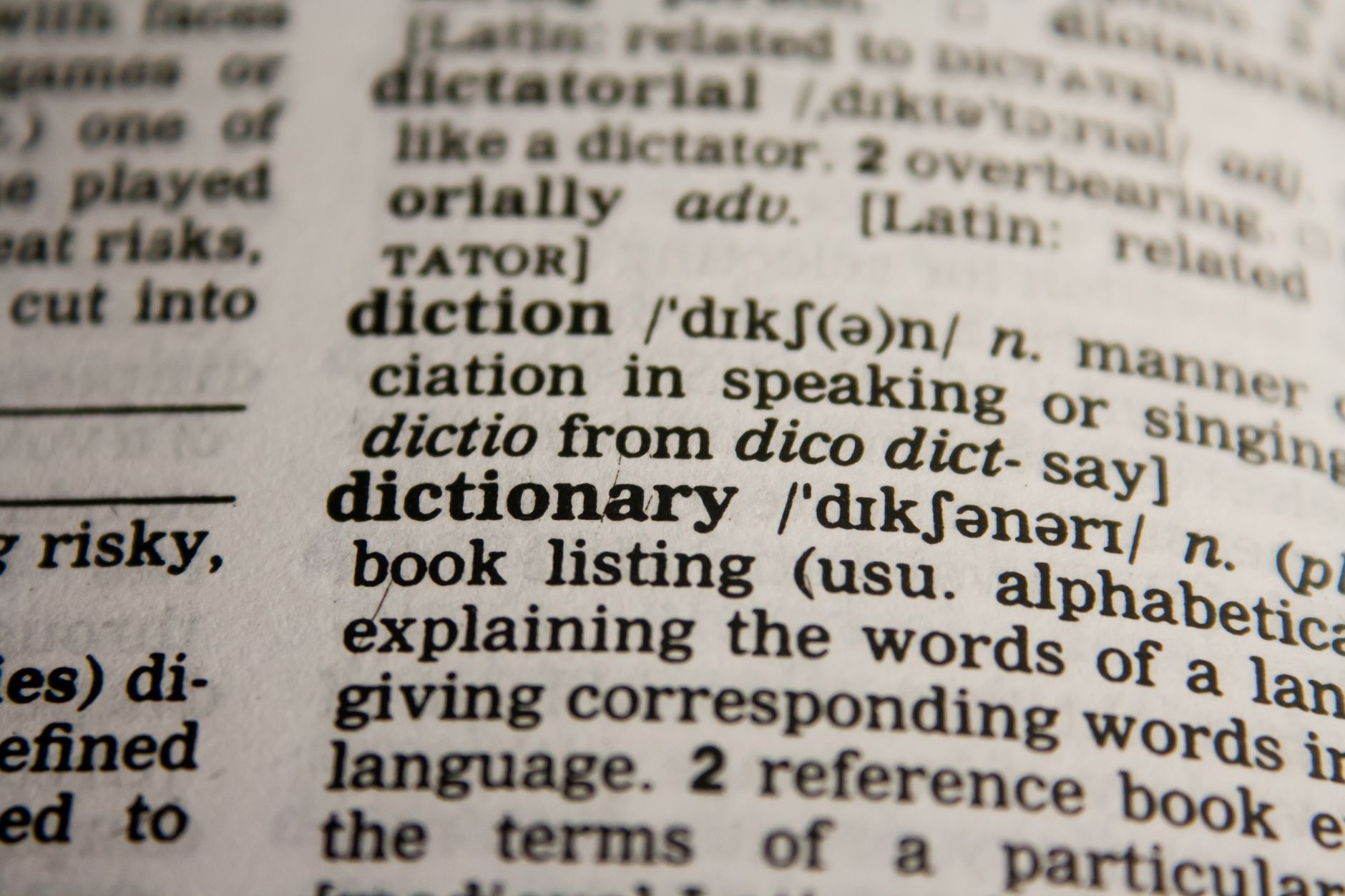
This is the nickname collision problem, and it is more common than parents realize. A nickname that means little bear in one language can be a slur or a body part in another. Your child inherits both meanings the moment the nickname sticks.
Advertisement
This checklist helps parents identify nicknames on the shortlist that carry unfortunate meaning in a second language, and gives concrete steps to either avoid them or plan around them.
Why nicknames need their own cross-language check
The birth-certificate name usually gets checked for meaning. Parents look up what it means, what languages it comes from, and whether it has any obvious associations. Nicknames slip past this check. They emerge from the mouth of the name itself. Katherine becomes Kat, Elizabeth becomes Liz, and nobody thinks to look up what Kat or Liz means in a second language. But nicknames travel too. They travel more than the formal name, because they are what family and friends actually say.
The check that catches formal-name problems in names taboo in one country and neutral in another needs a smaller version for nicknames.
Checklist item one: what will the natural shortenings be?
Before you settle on a formal name, list every plausible shortening. Katherine can shorten to Kate, Katie, Kat, Kathy, Kathe, Kit, and Kittie. Elizabeth can shorten to Liz, Lizzie, Beth, Betty, Eliza, Ellie, Betsy, and El. Each of these is a separate word in the second language you should check. This is the same discipline covered in the playground shortening test, applied cross-language.
Checklist item two: which second languages does your child hear?
You do not need to check every language on earth. You need to check the languages that will actually reach your child. That means:
- Languages spoken by extended family your child sees regularly.
- Languages your child will hear at school or in the neighborhood.
- Languages of countries your family visits.
- Languages the child will study in a heritage program or immersion school.
If your family has ties to Portugal, Vietnam, and rural Kansas, the languages to check are Portuguese, Vietnamese, and English. You do not need to check Icelandic or Malayalam unless one of those enters your child's life.
Checklist item three: run each shortening through each language
For each shortening on your list, ask a native speaker of each relevant language whether the shortening means anything. Be specific about slang, insult, and body-part meanings. Speakers are sometimes reluctant to volunteer these meanings unless asked directly. Ask directly.
Checklist item four: check both the sound and the spelling
Some collisions are about how the nickname sounds. Kat sounds like the beginning of an unfortunate word in one language. Some collisions are about how the nickname is spelled. A written nickname can look like a word in a second language even if the pronunciation is different. Check both.
Checklist item five: distinguish serious collisions from minor ones

Not every cross-language nickname problem needs to change the name. A nickname that sounds like a mildly silly word in a distant language is trivia. A nickname that maps onto an ethnic slur, a body part, or a slang term for a bodily function in a language the child will hear regularly is a serious issue. Rank the collisions by severity and by proximity to the child's daily life.
Common collision examples
Kiki
Fine in English, French, Japanese, and most European languages. In some Filipino dialects it refers to female anatomy. In some Latin American Spanish slang, similar issue. A child named Katherine or Kiara whose family nickname becomes Kiki should be aware of this before family visits to those regions.
Pipi
A natural shortening of Filipa or Pilar in some Iberian traditions. Also childrens slang for urination in many European languages including French, German, and Spanish. Unusable across a wide swath of the world despite being a legitimate nickname in specific traditions.
Pinky
Common Indian family nickname (see what Indian relatives will call the child anyway). In American English, associated with the small finger, with a certain color, and with cartoon characters. Not offensive, but locked into associations that may not travel with the child into adult professional life.
Nikki
Shortening for Nicole, Nikita, or Nicoletta. In Japanese, roughly means diary. In some Slavic slang, has other meanings. Usually a harmless minor drift.
Bubba
American Southern term of endearment, especially for a young boy. In Yiddish, bubbe means grandmother. Not offensive, just a source of intergenerational confusion in mixed families.
Fanny
Historical shortening for Frances. In American English, refers to a body part politely. In British and Australian English, refers to a different body part impolitely. A child named Fanny in the US travels to Sydney to a very different reception.
Overview table of nickname problem zones
| Nickname | Neutral in | Problem in |
|---|---|---|
| Kiki | English, French | Some Latin American Spanish, Filipino |
| Pipi | Iberian tradition | French, German, most European |
| Fanny | American English (dated) | British, Australian, Irish English |
| Pinky | Indian family use | Later professional US life |
| Bubba | American South | Yiddish-speaking families |
| Mimi | Most languages | Some East Asian slang |
Checklist item six: choose the response
You have three responses to a genuine collision.
- Change the formal name so the natural shortenings avoid the problem.
- Keep the formal name but establish a different shortening from day one, so the problem nickname never takes hold.
- Accept the collision as a family joke and prepare the child to explain it later.
Response two is the most practical. If Katherine's problem shortening is Kat but you love Katherine, establish Kate or Katie from birth as the family shortening. Grandparents will follow parental lead if you are consistent for the first two years. See what to do when a parent hates the natural nickname for the fuller playbook.
Checklist item seven: reconsider annually
The world changes. A nickname that is fine in 2024 may pick up a slang meaning in 2028 because a viral video, a slur revival, or a cultural shift. You cannot future-proof completely. You can, however, notice when a shift happens and gently redirect the nickname if needed.
A nickname is spoken more than the formal name and lives closer to the child. Give it the same design attention.
The pass-fail summary
A nickname passes the cross-language check if it means nothing offensive in any language your child will hear regularly. It fails if it maps onto a slur, a body part, a bodily function, or a strong ethnic caricature in any such language. Fail is not usually the end of the name. It is a signal to establish an alternative shortening early.
See also nicknames that mean something unpleasant online and the workplace nickname and formal fallback for related considerations about how nicknames age with the child.
Frequently Asked Questions
How do I ask a native speaker about slang meanings without embarrassing them?
Frame it as a naming decision, not a linguistic quiz. Ask: are there any awkward meanings or slang associations with this word I should know before naming a child? Native speakers understand the stakes and will be honest.
My family already calls the baby a nickname with a problem. What now?
Introduce an alternative gently. Use it consistently yourself. Praise family members who adopt it. Do not scold. Nicknames respond to positive reinforcement more than correction.
Should I let my child decide about problem nicknames when they are older?
Yes, eventually. Around age eight to ten, children develop opinions about their own nicknames. Support their preferences even if it means dropping a nickname you loved.
What if the nickname is only a problem in a country we visit rarely?
Prepare the child for the visit with a brief heads-up. Long-term relocation is different from a two-week trip. A rare-country problem is not a change-the-nickname situation.
Are there nicknames that work in every major language?
Ella, Leo, Mia, Ana, and Nora function across most major languages without offense. They also function as full names in many traditions, which makes them dependable choices.