Advertisement
Every culture keeps a list, official or informal, of names that carry historical weight, religious sensitivity, political charge, or simple bad connotation. What is a beautiful traditional name in one country can be an unusable relic in another. What is neutral in the US can be linked to a dictator in Eastern Europe, a folk-tale villain in West Africa, or a household chore in Latin America.
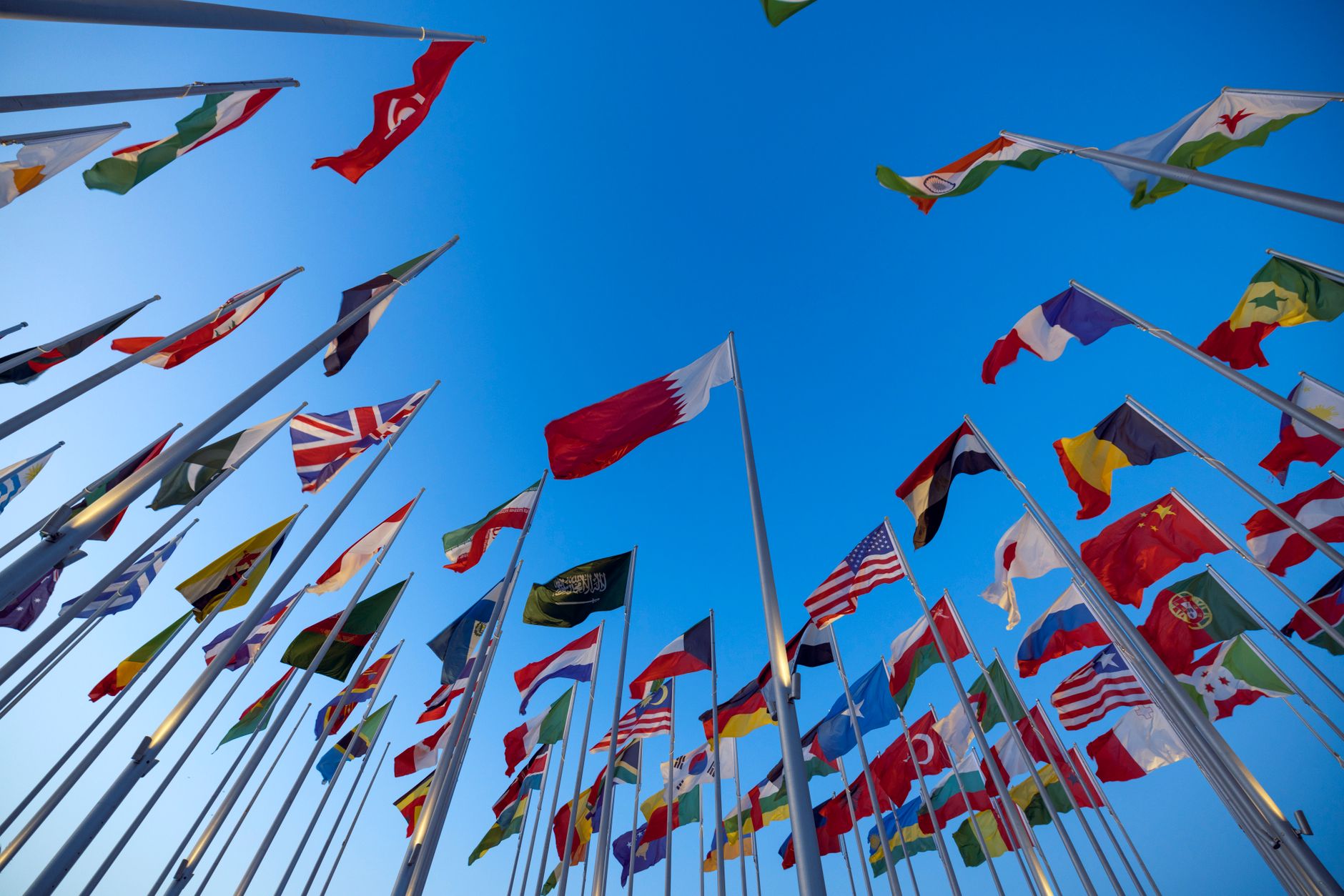
Why does this matter for a US parent naming a child born in Chicago or Denver? Because your child will travel. Your family may span three continents. Your child's future colleagues, partners, and friends will come from everywhere. A name that carries no baggage in your context may carry heavy baggage in someone else's. This piece surveys ten name categories where the taboo boundary is uneven across countries.
Advertisement
Names tied to twentieth-century dictators
1. Adolf
In the US, Germany, Austria, France, Italy, and most of Europe, this name is essentially unusable because of the historical association with the Nazi regime. In some parts of Latin America, particularly Bolivia and Peru, the name still exists as a traditional given name, often for older men, without the associations that dominate the European reading. A child named Adolfo in Lima carries none of the weight a child named Adolph would carry in Chicago.
2. Fidel
Neutral in Spanish-speaking countries and among Cuban American families, where it appears simply as a traditional Spanish name meaning faithful. Politically loaded in Miami, in Cuban exile communities, and among American families who associate the name only with Fidel Castro. Same letters, radically different reception depending on where and to whom you say it.
Names taboo for religious reasons
3. Jesus
Common as a first name in Spanish-speaking Catholic countries, where it honors the religious figure directly and is treated as a devotional name. Almost never used as a first name in the English-speaking Protestant world, where it would be considered inappropriate or presumptuous. A boy named Jesus (Hey-SOOS) grows up ordinary in Mexico and unusual in Ohio.
4. Muhammad
The most common first name in the world, held by hundreds of millions of Muslim men. Considered a name of honor throughout the Muslim world. In some non-Muslim countries it is now common and unremarkable due to immigration patterns. In other regions it may attract attention or misplaced assumptions. Same name. Different social receptions.
Names with unfortunate meanings in specific languages
5. Bill
Straightforward American nickname for William. In several Slavic and Middle Eastern languages, bill or bel means various neutral or negative things depending on context. Not typically a barrier, but a mild example of a name that means nothing in one country and something in another.
6. Kiki
Charming diminutive in English. In some South American Spanish slang, refers to a specific body part. In Filipino, refers to a similar concept in some dialects. A name that reads as playful in the US and awkward in the wrong global setting.
7. Nikita
A boys name in Russia (from the Greek Niketas, meaning victorious). A girls name in the US and Western Europe, largely due to a 1990s French film and a US television show. The same letters, opposite gender coding. A boy named Nikita moves easily in Moscow and is regularly assumed to be a girl in California.
Names with political charge in specific regions
8. Osama
A traditional Arabic boys name meaning lion. Historically ordinary throughout the Arabic-speaking world. Since 2001 the name has become politically loaded in the US and much of the West due to association with one specific individual. Muslim families in the US have largely stopped using it despite its ordinary historical status. Same name, weight assigned entirely by recent history.
9. Isis
Ancient Egyptian goddess, used as a girls name in the US and Europe throughout the twentieth century without controversy. In 2014 the name became politically charged due to a specific militant group using the acronym. American parents who had already given the name to daughters kept it. New naming dropped dramatically. The word itself is unchanged. The reception is not.
Names actually restricted by law
10. Country-specific naming bans
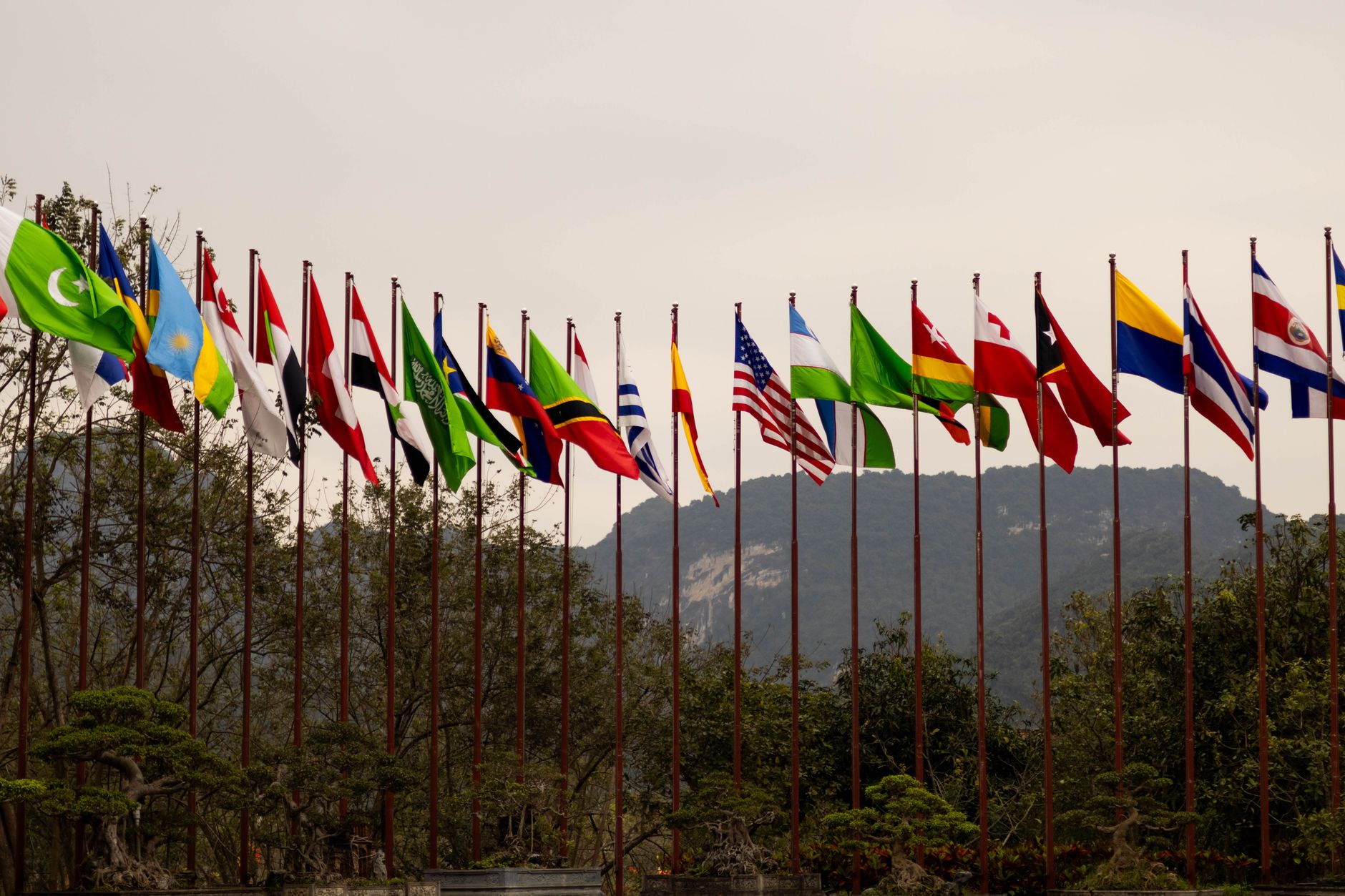
Iceland maintains an approved names list and rejects names not on it. Germany rejects names that would clearly harm the child. New Zealand rejected the name Lucifer. Denmark rejects names not on their approved list. France historically restricted names but has liberalized. In the US, most states allow any name with basic exceptions for offensive content and no numbers or symbols. A name legal for your US baby may not be legal for a cousin born in Reykjavik or Copenhagen.
Overview table
| Name | Neutral in | Taboo or charged in |
|---|---|---|
| Adolfo | Latin America | Europe, US |
| Fidel | Spanish-speaking Catholic world | Miami, Cuban exile community |
| Jesus | Mexico, Latin America | English-speaking Protestant countries |
| Nikita | Russia (masculine) | US (assumed feminine) |
| Osama | Arabic-speaking world (historically) | US, Western Europe (post-2001) |
| Isis | Historical use worldwide | US, Europe (post-2014) |
How to decide when a taboo is your concern
A name is your concern if the taboo lives in a country your child will spend significant time in, a community your child will be immersed in, or a language your child will hear daily. A name is not your concern if the taboo lives in a country your child will never visit and a community they will never join. You cannot design around every possible negative reading of a name in every possible cultural context. You can design around the ones that will actually touch your child's life.
Questions to ask about any name that gives you pause
- Does the name have a specific historical association in any country my child will live in or visit?
- Does the name have a slang meaning in any language my child will hear regularly?
- Does the name carry gender coding that conflicts across languages the family speaks?
- Does the name touch on a religion or political ideology in a way I want to signal or want to avoid signaling?
- Would relatives in any part of my family feel the name is inappropriate for the child?
Answering these five questions honestly filters most of the cross-cultural taboo risks. What remains is deliberate choice, not accident.
A taboo is not a fixed property of a name. It is a property of the room the name walks into. Know which rooms your child will enter.
Related considerations
The taboo question overlaps with the questions in nicknames that translate to slurs and with the broader tension in ethnic-neutral versus culturally rooted names. A name can survive as ordinary and still be shortened into something with taboo weight, or it can carry cultural specificity that turns into taboo across a border. The framework in how a name travels across languages covers the mechanical side of this same problem.
Frequently Asked Questions
Should I abandon a name I love because it is taboo in a country I have never visited?
Generally no. The taboo has to touch your child's life for it to matter. A taboo in a country you and your child will not enter is trivia.
What if a name becomes taboo after I have already used it?
Most families keep the name. Names attached to shifting news events usually settle back within a decade. The child owns the name and the news association fades from public memory.
Are religious names really taboo in the US?
Rarely. The US has a strong tradition of religious names across many faiths. The primary exception is Jesus as a first name in Anglo Protestant families, which is culturally uncommon.
How do I check if my name has a slang meaning somewhere?
Ask a native speaker of any language your family regularly speaks, then run a general web search for the name plus the word slang or meaning. Non-obvious slang meanings show up quickly.
Do naming laws in other countries apply to my US-born child?
Only if you register the child in that country too. For pure US citizenship, US state law controls, and US state law is quite permissive.