Advertisement
Some nicknames are for the household only. Bug. Peanut. Bear. Bunny. Nugget. These names sit inside the front door and never leave. They coexist with the formal name and the school nickname. They serve a different purpose: private affection, family shorthand, a marker that a person is loved by specific people. Below is a how-to for planning a family-only name that lasts and does not leak.

Why a Family-Only Nickname Is Worth Having
A private nickname carries emotional weight that a public one cannot. The child hears it from three or four people, always in tender contexts, and it becomes tied to safety and home. Adults who kept a family nickname into their thirties often report it as a source of comfort during hard times.
Advertisement
The public name serves the world. The family name serves the family. Both roles matter and they do not compete when the boundary is clear.
Choosing the Nickname
The best family-only nicknames tend to have three qualities. They are short (one or two syllables). They are affectionate (referencing size, animals, food, or a physical feature). They are unusual enough that a stranger would not use them.
Examples across many households: Peanut, Bug, Bear, Bunny, Nugget, Pumpkin, Bean, Duckling, Monkey, Cricket, Little One, Squirt, Sprout, Boo, Peach, Mouse.
Some families invent nonsense syllables (Zoo-Zoo, Boo-Boo, Meemo). These work too, though they tend to feel less durable in adolescence.
When to Introduce It
Most family nicknames emerge in the first year, invented by a parent in an unguarded moment. The nickname sticks or fades based on how many times the parent says it in the following weeks. If both parents like it, it usually sticks. If only one likes it, the other's silence often kills it.
Keeping It Inside the House
The main risk to a family-only nickname is bleed. A grandparent uses it in front of a preschool teacher. The teacher uses it in class. Another child picks it up. Within a week the private name is a public name and the child (age six or older) is mortified.
Two rules prevent this. First, never use the private name in front of anyone outside the immediate family circle. Second, make the boundary explicit with grandparents from the start.
A Family Meeting Approach
- Decide with your co-parent which name is the household name.
- Introduce it to grandparents and close relatives as a private name.
- Ask explicitly that they use the public name in front of teachers, other parents, and the child's friends.
- Model the switch yourself. In public, use the public name.
- Reinforce gently for the first year, then let it become natural.
The Split-Register Table
| Context | Name Used |
|---|---|
| Home, immediate family | Family nickname (Bug) |
| Grandparent visits at home | Family nickname (Bug) |
| School drop-off | Preferred name (Ellie) |
| Doctor's office | Legal name (Elizabeth) |
| Playdate at another house | Preferred name (Ellie) |
| Family gathering with extended cousins | Preferred name (Ellie) |
| Birthday card from Grandma | Family nickname (Bug) |
When the Nickname Should Retire
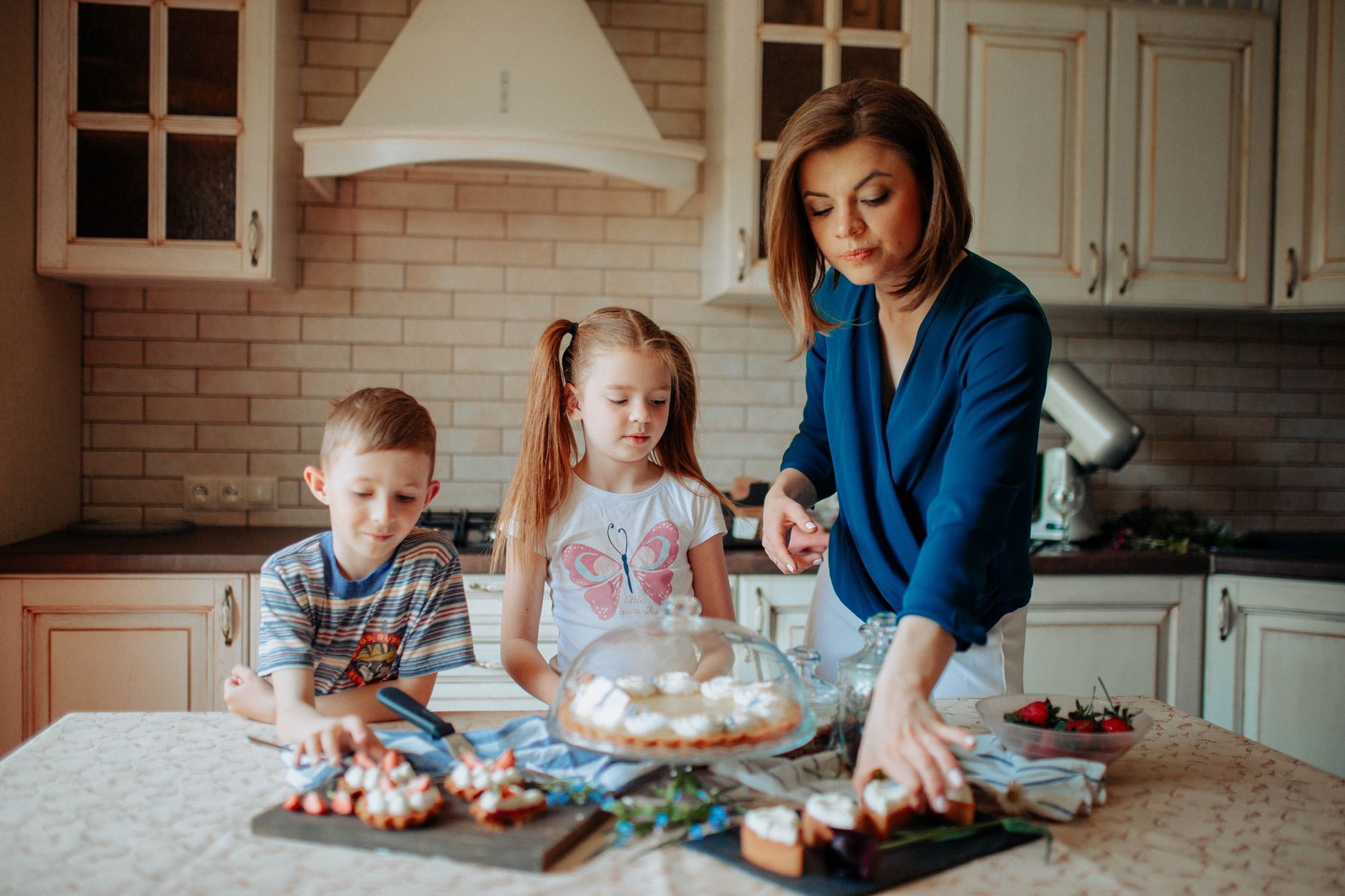
Some family nicknames stay for life. Others retire around ages ten to twelve when the child feels self-conscious. If your child asks you to stop using it, comply. Reintroduce it gently at emotional moments later (illness, big life events, weddings) if the affection is still there. Most retired family names come back in some form in adulthood.
When Two Parents Disagree
Sometimes one parent loves Bug and the other finds it embarrassing. The compromise is that the loving parent uses it alone and the other parent uses the public name. Children accept this split easily. Nobody has to fight over it.
When the Child Invents Their Own Family Name
Some children invent their own family name for a parent or grandparent. Nana, Meemaw, Papi. These flow both directions. A child who calls her grandmother Nana may also be called something specific by that grandmother that no other adult uses. This mutual private language is one of the healthiest signs of a warm family.
What Family Nicknames Should Not Be
Family nicknames should not be shame-based (Chubby, Slowpoke, Cryer). They should not carry blame or teasing. Even in a loving voice, a name based on a perceived flaw can wound. Choose something that names the child positively or neutrally.
They should also not translate to slurs in a second language spoken by the family. Our piece on nicknames that translate to slurs in a second language covers the check.
The Grandparent Special
Grandparents often invent their own nickname for a grandchild that is different from the parents'. Grandma calls her Boo. Papa calls her Peach. These coexist with the parents' nickname and the child's school name. A child can juggle three or four private names easily.
Cultural context can add more layers. Our piece on what Indian relatives will call the child anyway covers the extended family layer for South Asian households, and the principle applies broadly.
The Nickname Book
Some families keep a small notebook in which each family member writes the private nicknames they use for the child. This is a nice record and, twenty years later, a keepsake for the child. It also surfaces any names the parent did not know were in use.
When to Introduce the Public Name
By preschool age the child needs to answer to the public name at school. Practice this. Say the public name at dinner sometimes. Address the child by the public name when introducing them to new adults. This dual-language approach comes naturally to most children.
Frequently Asked Questions
Will my child be confused by two or three names?
Almost never. Children under six accept many names as long as each name has a consistent audience.
What if the family nickname leaks to school?
Do not panic. Correct the classroom teacher, ask the child which name they prefer at school, and reinforce the boundary at home. The leak usually dies within a semester if the family stops using the private name outside the house.
Can a family nickname become the everyday name?
Yes, if everyone likes it and it works publicly. Peanut generally does not; Bear sometimes does; Nate started as a family short and became a legal name in many households.
Are family nicknames still used in the digital age?
Yes. They may be less written down and more spoken, but the tradition is alive and healthy. Text messages between family often still use the private nickname. See our companion piece on unstoppable nicknames after the certificate for the wider context.