Advertisement
Children rarely stay on one nickname. They cycle. Zoe becomes Zoo-Zoo at nine months, Zozo at eighteen months, Zoey at three, back to Zoe at four, and Zed by the summer before kindergarten. Below is a worked example of one household's actual sequence and what drove each change. Names are anonymized; the pattern is common.

The Rivera-Kim Household: Six Names in Six Years
Zoe was born in 2019. Her parents chose Zoe because they wanted a name that could not be shortened. Zoe is already two letters plus one syllable. Nothing to trim. What they did not anticipate was that nicknames are not always shorter. Sometimes they are longer, sillier, or laterally different from the original.
Advertisement
Month 0 to 6: Zoe
The parents used Zoe. The grandparents used Zoe. Everyone used Zoe. This lasted six months.
Month 6 to 12: Zoo-Zoo
The father, playing with the baby, invented Zoo-Zoo one afternoon. It stuck within a week. The parents both used it. The child, who was starting to recognize her own name, responded to Zoo-Zoo more than to Zoe. Grandparents adopted it. By the first birthday, Zoo-Zoo was the household name.
Month 12 to 24: Zozo
Zoo-Zoo softened to Zozo somewhere in the second year. Nobody remembers the exact moment. It was a natural compression by adult speakers who had been saying Zoo-Zoo for months and found it clumsy. Zozo felt cleaner.
Year 2 to 3: Zoey
At daycare, the teachers used Zoey. They did not know about the household names. The daycare short was Zoey, a slightly softer variant of Zoe. The child came home from daycare answering to Zoey. The parents used Zozo at home and Zoey in public. Both worked.
Year 3 to 4: Back to Zoe
At age three the child herself insisted on Zoe. She had figured out that her formal name was Zoe and she preferred it. She corrected her parents when they used Zozo. The parents complied at home. Grandparents kept Zozo. Daycare kept Zoey. The child was operating three names in parallel.
Year 5 to 6: Zed
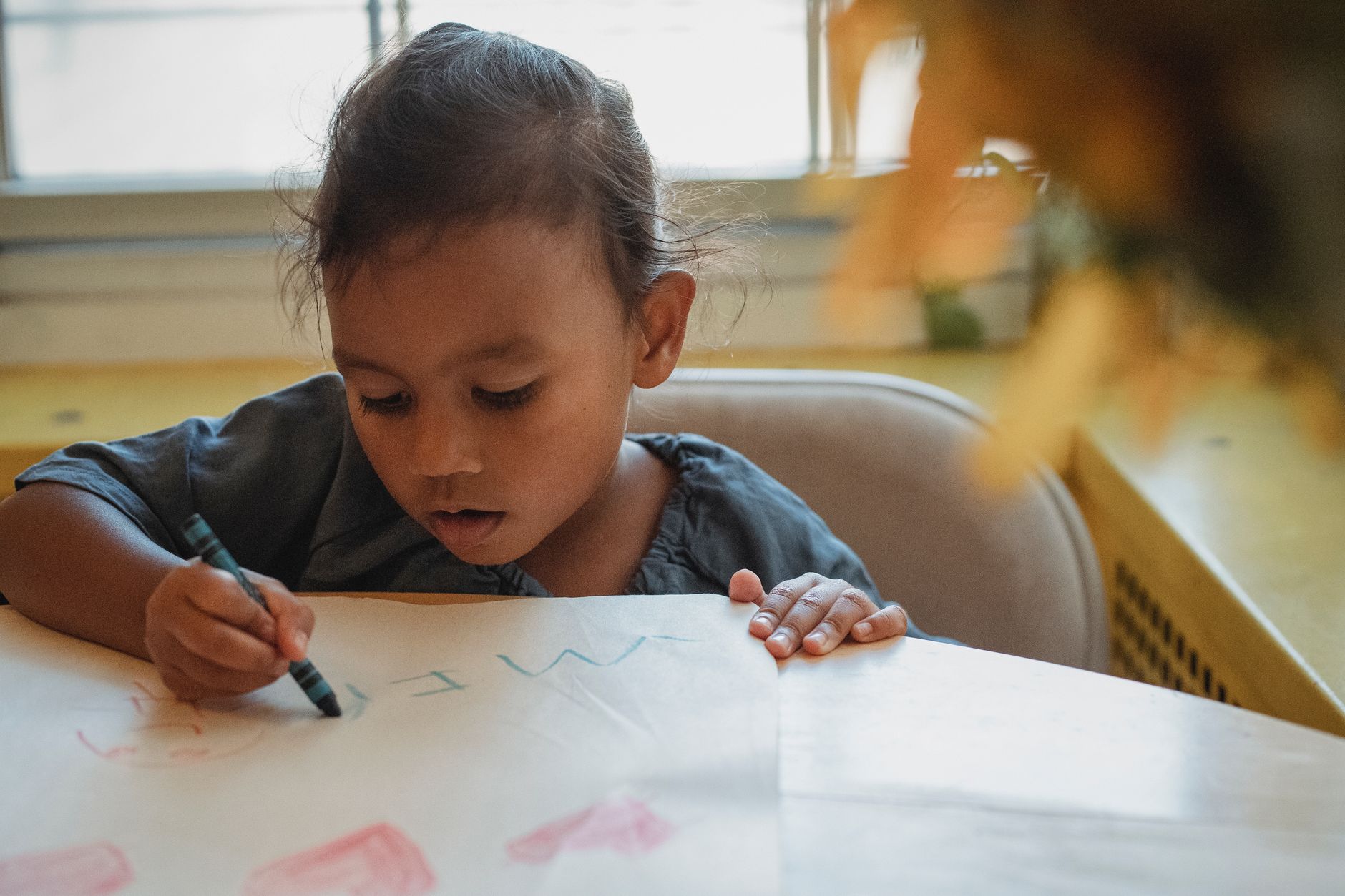
Summer before kindergarten, the child's older cousin (age nine) started calling her Zed. The younger cousin thought this was brilliant. She started signing her drawings "Zed." The parents let it stand. By the first day of kindergarten she was introducing herself as Zed to the teacher, though the teacher used Zoe on the roster.
What the Sequence Shows
Nicknames evolve for four reasons. First, adults invent silly forms in infancy. Second, natural compression softens the silly forms. Third, external environments (daycare, school) apply their own defaults. Fourth, the child begins choosing at age three or older and continues choosing for the rest of childhood.
No parent controls all four forces. The best a parent can do is set the initial name and steer gently through the evolution. See our companion piece on unstoppable nicknames after the certificate for the underlying dynamic.
Common Evolution Patterns
- Infancy: silly parent-invented forms (Boo-Boo, Peanut, Bug, Nugget). These almost never survive to school.
- Toddlerhood: softening of the infancy form or first serious short based on the formal name.
- Preschool: the daycare or preschool short takes hold. This is often the first short with staying power.
- Kindergarten: the child begins expressing preferences. Some accept the previous short, some ask for a new one.
- Second and third grade: the playground default asserts itself. Peer group aligns.
- Middle school: identity switches. Many children pick a different short at eleven or twelve as a signal.
A Timeline Table
| Age | Nickname Source | Typical Stability |
|---|---|---|
| 0 to 1 | Parents invent | Weeks to months |
| 1 to 3 | Natural compression, daycare | One to two years |
| 3 to 5 | Child preference emerges | Six months to two years |
| 5 to 7 | Playground and teacher | Two to four years |
| 8 to 11 | Peer group | Two to five years |
| 12+ | Self-chosen identity | Multi-year, sometimes life |
Which Nicknames Have Staying Power
Silly infancy names almost never survive to first grade. Names invented by other children usually do not survive to third grade. Names the child chooses for themselves at age eight or older tend to hold. The self-chosen nickname is the most durable form. This is why many adults introduce themselves by a short that has nothing to do with the household names of their childhood; they picked it at eleven and never looked back.
How Much to Fight Each Change
Very little, generally. Fighting a nickname evolution rarely works. The child develops a sense of ownership over their own name around age five, and by age eight the child's opinion outranks the parent's. Parents who insist on a specific short past that point create friction that outlasts the nickname itself. See when the parent hates the natural nickname for the extreme cases.
The Family-Only Nickname That Survives
Some infancy names persist inside the family long after the child stops using them publicly. Bug, Peanut, Bear, Bunny. These become private markers. The forty-year-old daughter who is Katherine at work may still be Bear to her mother. This is one of the healthiest outcomes. See family-only nicknames for the planning conversation.
When Evolution Stops
For most people, the evolution stalls in adulthood. The name they used at age twenty-five is usually the name they use at fifty. Career and identity solidify around a specific form. But childhood is highly plastic. A parent should expect four or five nickname shifts before college.
What This Means for the Certificate
Choose a formal name that can support many shorts, since you cannot predict which one will win. A Katherine can be Kate, Katie, Kat, Kitty, or Katherine at any life stage. A Kate can only be Kate. Optionality is worth something. Our piece on picking a name for the nickname you want covers this from the front.
Frequently Asked Questions
Is it normal for a five-year-old to have three nicknames?
Yes, very. Home, daycare, and grandparent versions often coexist. Children keep them separate without confusion.
Should I tell the school about all the household names?
Only the one you want used at school. The school does not need to know that Grandma calls her Zozo.
What if my child wants to change their name every month?
Preschool and kindergarten age this is normal. It usually stabilizes by first or second grade. Ride it out.
Do adult nicknames evolve too?
Less. Most adults settle on one form by age twenty-five and keep it. Some pick up a work nickname or a partner nickname later, but the childhood cycling stops.