Advertisement
There is a photograph the Kellerman family posts every Christmas. Four kids in matching red flannels, holding cards spelling out K, A, L, and E. Kaya, Aiden, Lila, Eli. The joke is the same every year, and the joke is fine, but here is what they did not know when they named the third child: at a certain point the sibling set stops sounding like siblings and starts sounding like a boy band.
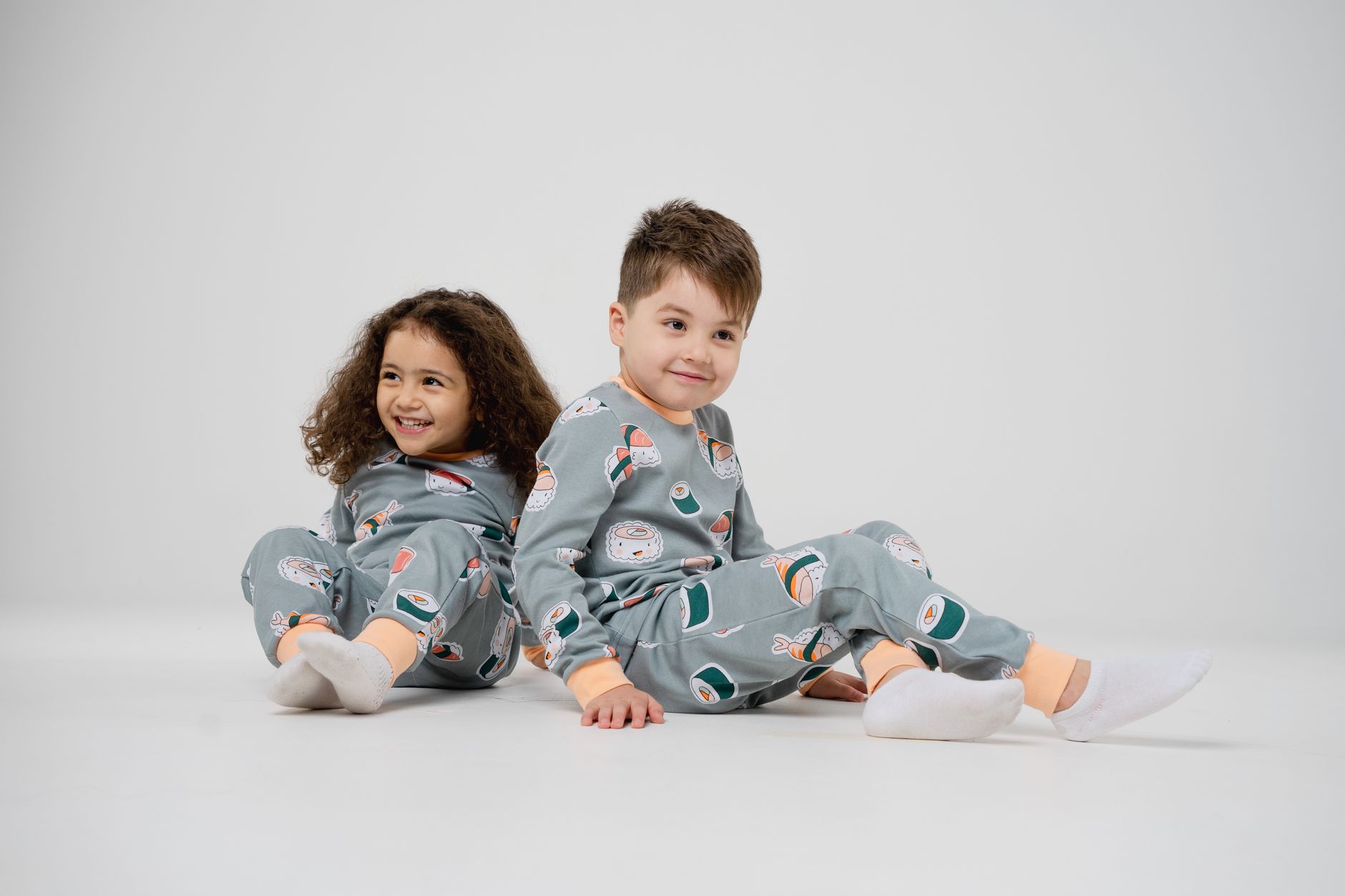
The instinct behind matching names is warm. Parents want the children to know they belong to each other, to share something visible, to feel like a set. But matching can tip over into an aesthetic performance the kids will spend years explaining. Below are the patterns that tip most reliably.
Advertisement
The nine ways sibling names overmatch
- Shared first initial with matching sound length. Ava, Ada, Ana. On paper they are different. Called across a soccer field they are one long syllable and the second daughter always answers.
- Rhyming endings. Jayden, Brayden, Kayden. Introducing one is fine. Introducing all three at a school pickup gets a small, involuntary smile from the receptionist, and the family knows the smile.
- Repeating suffix -lyn or -son. Emerson, Anderson, Jackson. Any two can pass. Three brothers with -son is a country song lyric.
- Trademarked -aiden variants. Aiden, Jayden, Kayden, Hayden, Brayden, Cayden. Grandparents cannot keep them apart. This is the truest test.
- Alphabet order matching birth order. Aiden then Brooke then Callie then Danielle. Adorable at first, controlling by grade three (child four cannot break the pattern without feeling excluded).
- Same syllable count and same stress. Every name is trochaic (first-syllable stressed) and two syllables long. Emma, Jackson, Riley, Aiden. The rhythm becomes the family sound.
- Matching cultural coinage window. All four names invented in the 2010s (Braxton, Kannon, Ryker, Kyzer). The set dates itself to a five-year window and will feel that way at their weddings.
- Matching diminutives on the certificate. Charlie, Ellie, Katie, Ronnie. Sweet as toddlers, uneven when one child is applying to medical school and the others still go by their childhood names.
- Same starting-syllable phoneme. Cameron, Kaya, Kellen. Feels random on paper, sounds coordinated aloud.
Why the set feels louder to strangers than to you
Parents live inside the names. To them, Aiden is a specific child with a specific laugh, and Jayden is another specific child. To a substitute teacher reading the class roster, Aiden and Jayden are two data points that pattern-match. This asymmetry is why parents are the worst judges of whether their own set matches too well.
A useful test is to write the four full names on a page and hand it to someone who has not met the children. If they say "cute set" you are in the safe zone. If they say "oh, are those siblings?" you are on the edge. If they smile before saying anything, you have crossed over.
Table: three real-world scenarios

| Family situation | Their set | Reads as |
|---|---|---|
| Two boys, considering a third | Ryder, Ryker, and adding Ranger | Overmatched: rhyme, R, and modern coinage window |
| Three girls, all traditional | Eleanor, Beatrice, Josephine | Coherent: three-syllable Victorian revival, no shared letter |
| Boy and girl twins | Harper and Hunter | Overmatched: matching H, matching two syllables, matching -er |
Where matching still works
Not all matches are traps. Same initial can work when the names are structurally different: Katherine and Kai read as siblings without reading as merchandise. Same cultural origin can work indefinitely because it is quiet: Sofia and Diego share Spanish origin, which is a fact, not a decoration.
Even rhymes can work in specific cases. Twin sisters named Ella and Bella are a stronger statement than three brothers named Jayden Brayden Kayden. The reason: for twins the parents already accepted the coordinated framing at conception. See our piece on twin and triplet naming for that specific case.
The fix when you have already noticed the pattern late
If you are on child two and realizing that your favorite name matches the first one on three axes, you have three moves:
- Keep the favorite and accept the pattern. Do it knowingly.
- Break one axis (change syllable count, change starting letter) and keep the other pattern relationships. This is usually enough.
- Reset the shortlist and choose a name that reads as coherent on register and era, not on letters.
Option two is the most common workable answer. Aiden and Elena share nothing visible but sit together fine.
For the deeper why-does-this-matter question, the pillar on sibling consistency covers the underlying logic. And if you inherited a pattern from your first child's name that no longer fits, the piece on abandoning a theme mid-family is the honest read.
One habit that helps: when you have a candidate second name, say it three times aloud in the same breath as the first child's name, then swap the order. If the pair sounds like a marketing bundle rather than two separate people, the match is too tight. That live test catches what a written shortlist never will.
Family and friends will also give you data whether you ask for it or not. If the first three people who hear the pair immediately laugh or comment on how well it goes together, treat that as a warning rather than a compliment. Names should belong to individuals, not to a set.
Frequently Asked Questions
Are matching sibling names actually bad for the child?
Not bad. Slightly harder in classrooms where teachers mix them up, and a common source of teasing in middle school. Kids notice they are treated as a set rather than individuals when the names invite it.
Is it fine if only two of four kids match?
Yes. Sets where two of the sibling names share a feature and the others do not read as natural rather than curated. The trap is when every name shares the same feature.
What if grandparents pressure a matching name?
Politely thank them and pick what fits. Grandparents rarely have to run the classroom permission slips. See our note on honoring a relative for the tribute version of the same conversation.
Do matching initials cause mail problems?
Yes, especially in college and early adulthood. Two siblings with the same first initial and surname will receive each other's tax forms and voter registrations for years. Not fatal, but annoying.