Advertisement
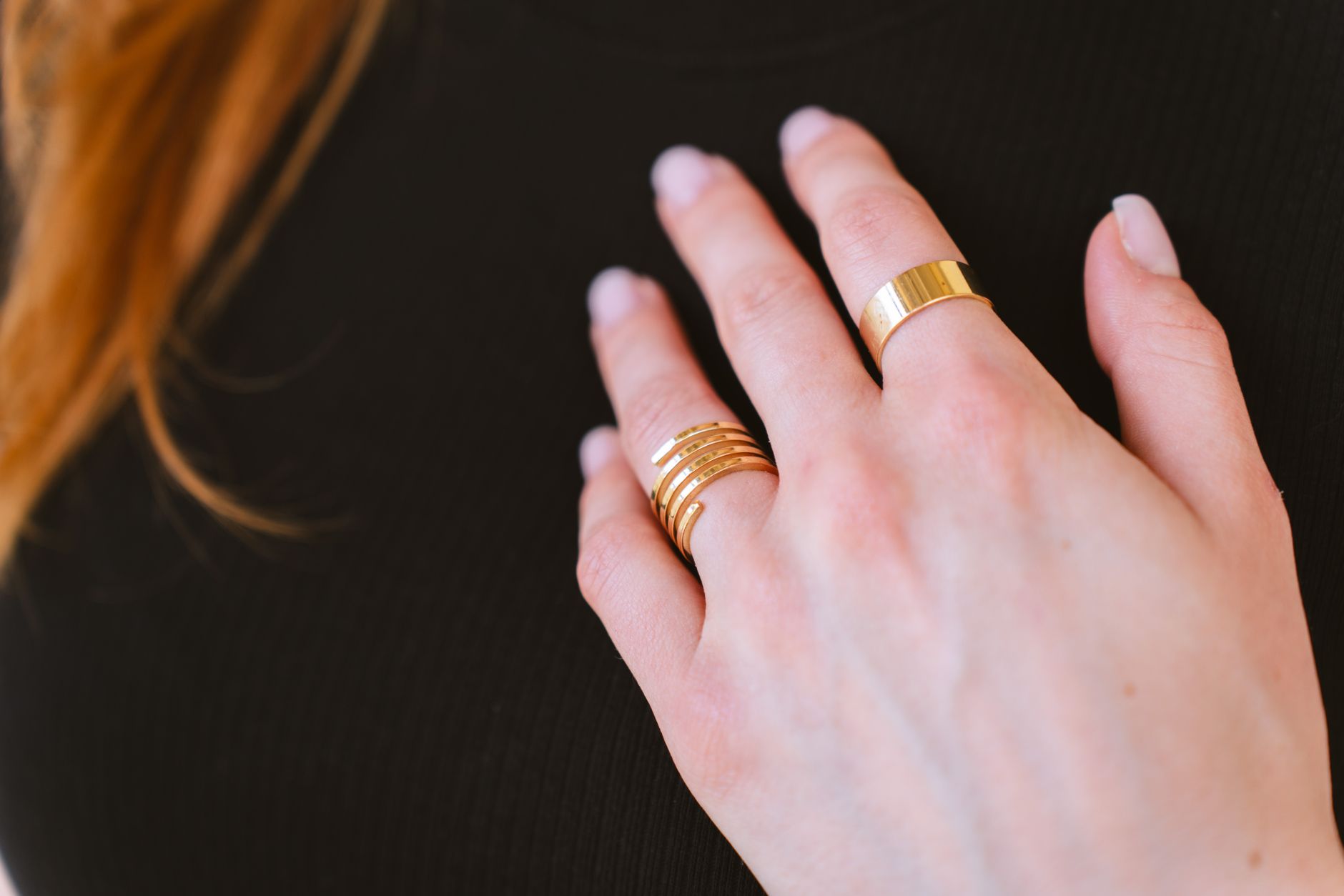
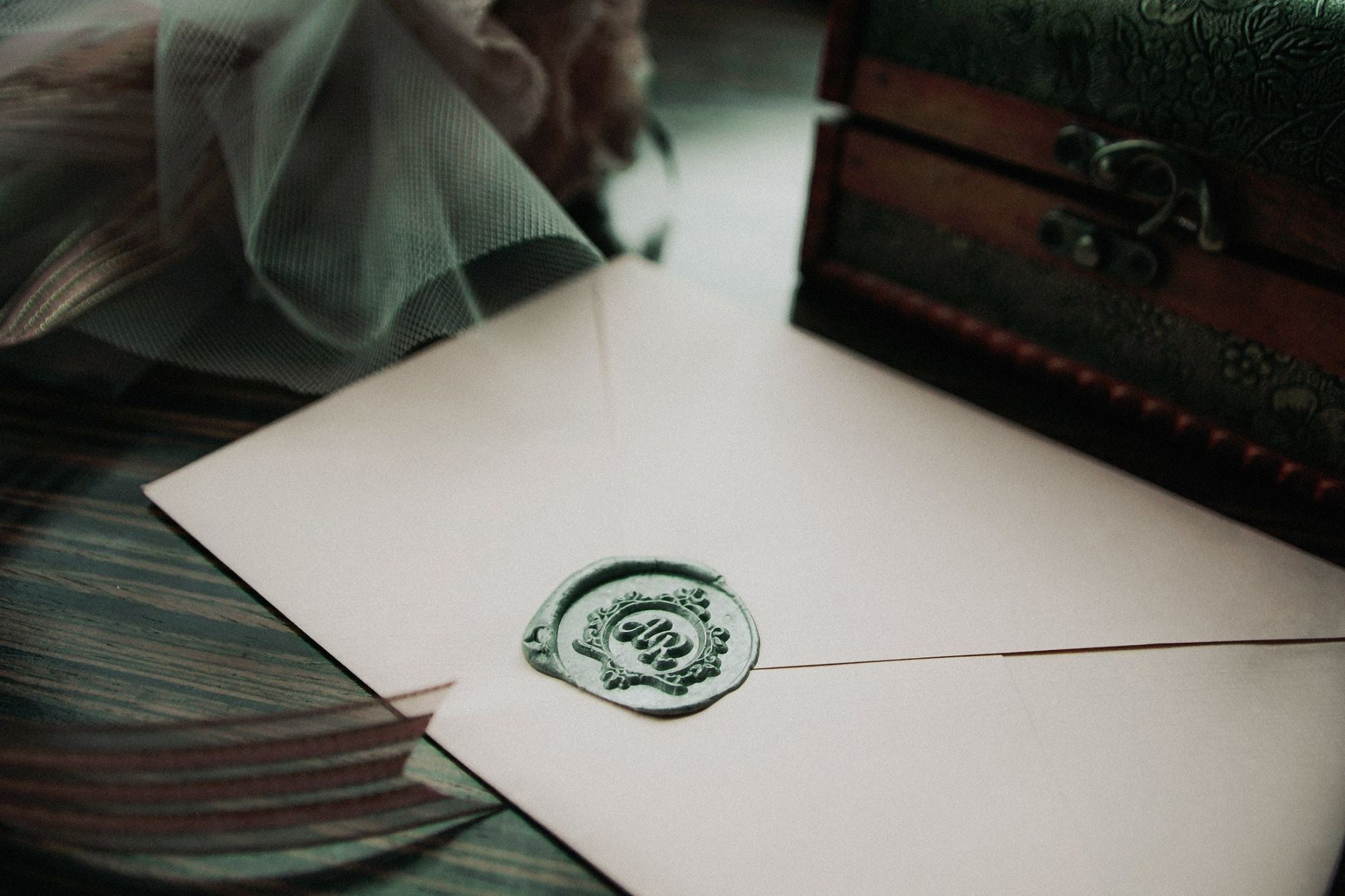
Some parents think about the schoolyard initial audit. Fewer think about the wedding-ring audit. And almost none think about the pocket-watch audit. But the initials chosen at the birth certificate stage are the initials that will appear on the child's first grown-up jewelry, the christening cup that returns to them at eighteen, and any heirloom watch that comes down through the family. These pieces last far longer than any nursery monogram.
This how-to walks through the heirloom category, what gets engraved, and how the initial audit should account for it.
Advertisement
The heirloom pieces that carry initials
- Christening cups, spoons, and bowls given at baptism
- Signet rings, often given at sixteen or eighteen
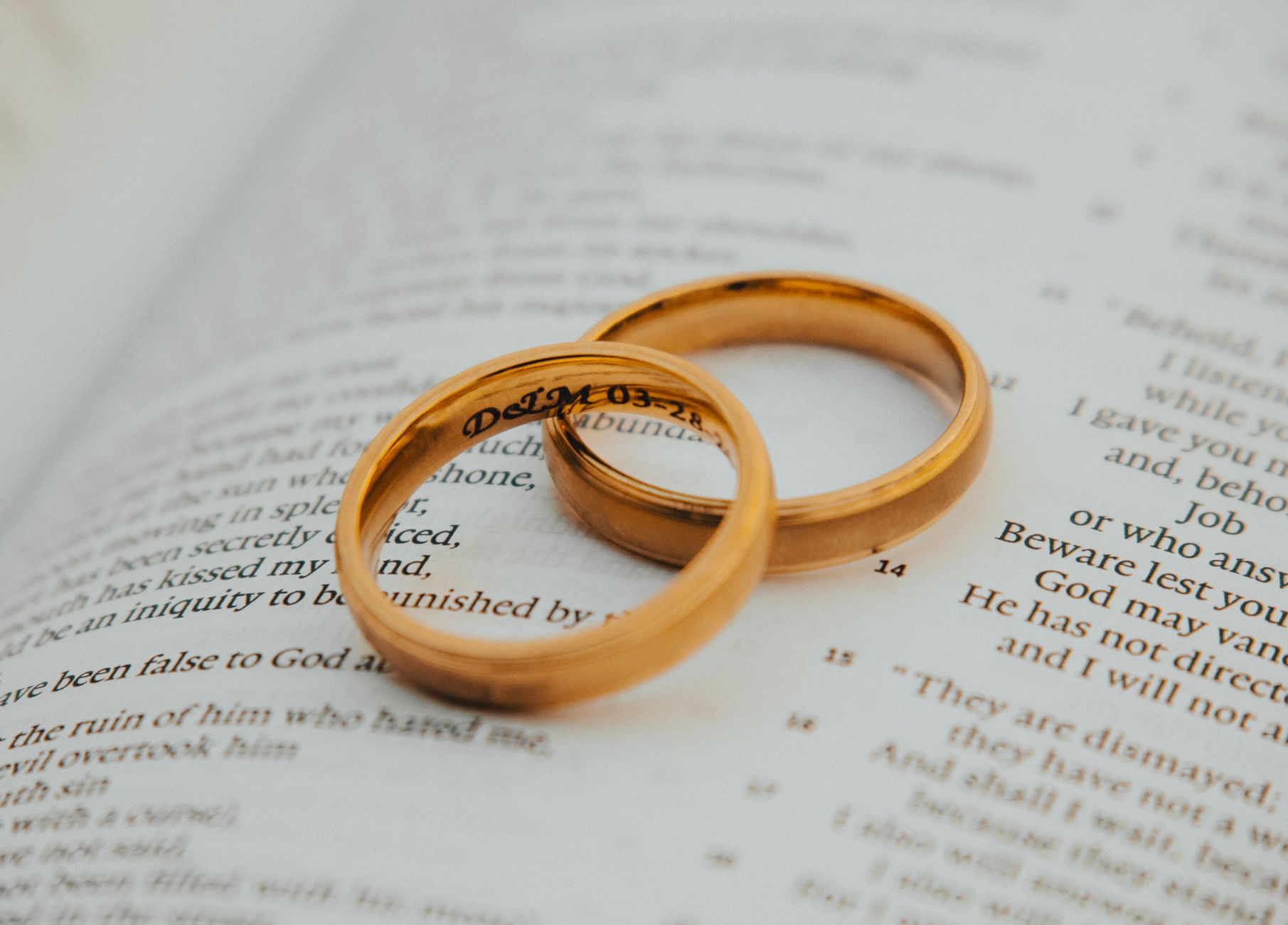
- Wedding bands, sometimes engraved on the inside with the wearer's initials and the date
- Grandfather watches or pocket watches inherited across generations
- Cufflinks, tie bars, and other formal accessories
- Jewelry boxes and heirloom cases
- Silverware sets with monogrammed handles
- Gravestones and family plot markers
How to plan the christening pieces
Christening gifts are commissioned by godparents or grandparents in the weeks after birth. If the family monogram style has been chosen (see the monogram style primer), share it with the gifters. A christening cup engraved in the modern block style will not match a heirloom silver spoon engraved in the traditional stacked style, and the two pieces will live in the same case for decades.
How to plan the signet ring
A signet ring is often given at sixteen or eighteen and worn for the rest of the wearer's life. The initials on the ring are usually the wearer's own, in one of three configurations: single surname initial (most traditional), three-letter monogram (common), or full three-letter block (modern).
Fifteen years in advance is a long lead time, but the initials are set at the birth certificate. If the child's three-letter monogram reads as a slur or an awkward word, the signet ring inherits the problem.
The wedding-ring engraving
Wedding-ring engravings vary widely. Common patterns include:
- The partner's initials plus the wedding date. A ring engraved "ALS 6.14.2049" carries the wearer's spouse initials.
- A short phrase in the wearer's own initials. "Forever, ALS."
- Both partners' initials joined. "ALS + JRK, 6.14.2049."
- Just the wedding date, no initials. Simple and increasingly popular.
The initial audit for a wedding ring is the same as for any monogram. If the wearer's initials read as something they would rather not commit to a lifetime of ring-wearing, they can choose the date-only style. Some do exactly this.
Passed-down watches and jewelry
An heirloom watch already has its previous owner's initials. When passed down, the recipient sometimes adds a small mark of their own. If your family plans to pass down a watch to your child, the engraving space is limited and the new mark will be a single initial or two letters. The three-letter audit is less relevant; the single or two-letter audit matters.
The gravestone consideration
Not comfortable to plan for at week thirty of pregnancy, but real. Family plot markers often list occupants by full name. Individual headstones often use full name plus dates. Some families use monograms on ornamental family cases or urns. The initial audit that applied to the nursery monogram applies here too.
A step-by-step plan
- At the birth-certificate stage, run the full three-letter initial check.
- Pick a family monogram style (block or traditional stacked) and share it with anyone commissioning heirloom gifts.
- For the christening cup, provide the engraver with the exact style spec.
- Keep a family style note in the household records so future generations can match new pieces to old ones.
- When the child is old enough to receive a signet ring or wedding ring, revisit the style spec with them. Adults sometimes prefer a different style than their parents chose in infancy.
Comparing engravable heirloom surfaces
| Piece | Typical engraving | Style choice |
|---|---|---|
| Christening cup | Full three-letter monogram plus baptism date | Traditional stacked |
| Signet ring | Single surname initial or three-letter monogram | Traditional stacked |
| Wedding band | Initials plus date, or date only | Simple script |
| Pocket watch | Full monogram or short phrase | Traditional stacked |
| Cufflinks | Two-letter monogram (first plus last) | Modern block or stacked |
| Silverware handle | Single surname initial | Traditional stacked |
| Jewelry box lid | Full three-letter monogram | Either style |
The style-mismatch problem across generations
Heirloom collections often mix pieces engraved across different decades. A silver cup from 1955 will use a different engraving style than a signet ring from 2025. Some mixing is fine; the pieces are meant to feel gathered rather than manufactured together. What creates friction is when two pieces made recently for the same person use two different styles because two different gifters chose independently. A short conversation among family gifters solves this.
Related
For the audit that determines whether the initials themselves are worth engraving, see the career-long friction one letter causes. For the emotional side of heirloom naming (honoring a relative), see naming after a relative.
Frequently Asked Questions
How much does it cost to engrave a heirloom piece?
Ranges widely. Simple block engraving on silver runs from twenty to fifty dollars. Custom stacked monograms on gold rings can run several hundred dollars depending on jeweler.
Can we re-engrave a piece if the initials turn out badly?
Sometimes. Silver can be re-engraved but the previous engraving may show through. Gold rings can be re-engraved cleanly on the inside surface.
Do modern young adults still want heirloom pieces?
Yes, in most families. The style may modernize but the practice of receiving heirloom pieces continues.
Are initials on jewelry considered old-fashioned?
Not old-fashioned. Traditional. There is a difference. Traditional pieces have carried initials for centuries and continue to do so in modern jewelry design.
Do modern couples still gift christening pieces?
Yes, in traditions that include christening or naming ceremonies. Godparents and grandparents most often commission these pieces. The tradition has weakened in some regions and strengthened in others.
What if the child does not marry or does not want a wedding ring?
The audit's other categories still apply. Signet rings, cufflinks, and heirloom watches carry initials regardless of marital status.