Advertisement
The initials your child uses to sign a birthday card at age eight are not necessarily the initials that will appear on their driver's license, passport, or mortgage paperwork at age thirty. Legal contexts have their own rules for how names get abbreviated, when full middle names must appear, and what a signature block should look like. Informal contexts have almost no rules at all.

This piece answers the common questions parents ask about the boundary between the two.
Advertisement
What counts as a legal document context?
Legal contexts include the birth certificate, driver's license, passport, Social Security card, tax returns, mortgage and rental agreements, marriage certificate, professional licenses, and court filings. In these contexts, the person's full legal name typically appears, with initials only as a signature or as a short-form field.
Everything else is informal. Handwritten notes, monogrammed towels, Slack messages, birthday cards, and school locker labels all fall on the informal side.
Does the middle name have to appear on legal documents?
Depends on the document. Passports include the full middle name if one exists. Driver's licenses vary by state; most include the middle name in full, a few use only the middle initial. Marriage certificates include the full legal name. Tax returns use the name as it appears on the Social Security card. Court filings use the full legal name.
What if the initials on my child's legal signature spell something bad?
They will still appear on legal documents where a signature block is used. A lawyer named Alexandra Sarah Sinclair signing a court filing signs as her full name. Her initials ASS appear only in the drafter footer, not in the signature. The signature itself is her full name in her handwriting.
Where the initials do appear as a block is on internal firm documents, timekeeping systems, and short-form work products. These are semi-formal, and the person has some control over how their initials appear. Some professionals use a customized initial code (see the professional careers piece) to work around a problematic initial.
Do informal initials matter as much as legal ones?
They matter differently. Informal initials appear far more often (thousands of times over a life). Legal initials appear less often (dozens of times) but carry higher stakes at each appearance. Both matter. Neither is more important than the other in a general sense.
Can my child use different initials in different contexts?
Yes, and many people do. A woman legally named Alexandra Sarah Sinclair who goes by Alex informally will sign informal notes as "Alex" or "AS." She signs legal documents as "Alexandra S. Sinclair" or with her full name. The switch is automatic and requires no legal declaration.
What documents actually use initials as identifiers?
| Document type | Initials used? | Full name required? |
|---|---|---|
| Birth certificate | No | Yes |
| Passport | Sometimes on machine-readable line | Yes |
| Driver's license | Middle initial in some states | First and last always |
| Social Security card | No | Yes |
| Tax return | No | Yes |
| Mortgage documents | Initials on each page footer | Full name in signature |
| Court filings | Initials in caption sometimes | Full name in signature |
| Marriage certificate | No | Yes |
How to prepare a child for the switch between formal and informal
- Teach the child to write their full name legibly by age eight. This is the signature form they will use for legal documents.
- Teach them their two-letter and three-letter initials by the same age. These appear in school and sports contexts.
- Explain that formal documents require the full name and informal contexts allow initials. This is a small piece of civic literacy.
- When they get their first debit card or ID as a teenager, review how their legal name appears. Discuss whether they want to go by a nickname formally, informally, or both.
What happens if legal and informal usage drift far apart?
A child legally named Alexandra Sarah Sinclair who has gone by Alex since kindergarten may reach adulthood having never used her full legal name in daily life. This is fine, but it creates small logistical friction: her ID reads Alexandra, her Starbucks order reads Alex, and her college diploma reads Alexandra. Employers occasionally get confused. Airlines sometimes flag mismatches.
The friction is manageable. Most adults live with it easily. Parents who want to minimize the friction can register the informal name legally (the child is legally Alex, not Alexandra). Parents who want to preserve the longer form can accept the friction as the price of keeping the option open. See picking a baby name for the nickname you actually want for more on this decision.
The signature choice is a small but real decision
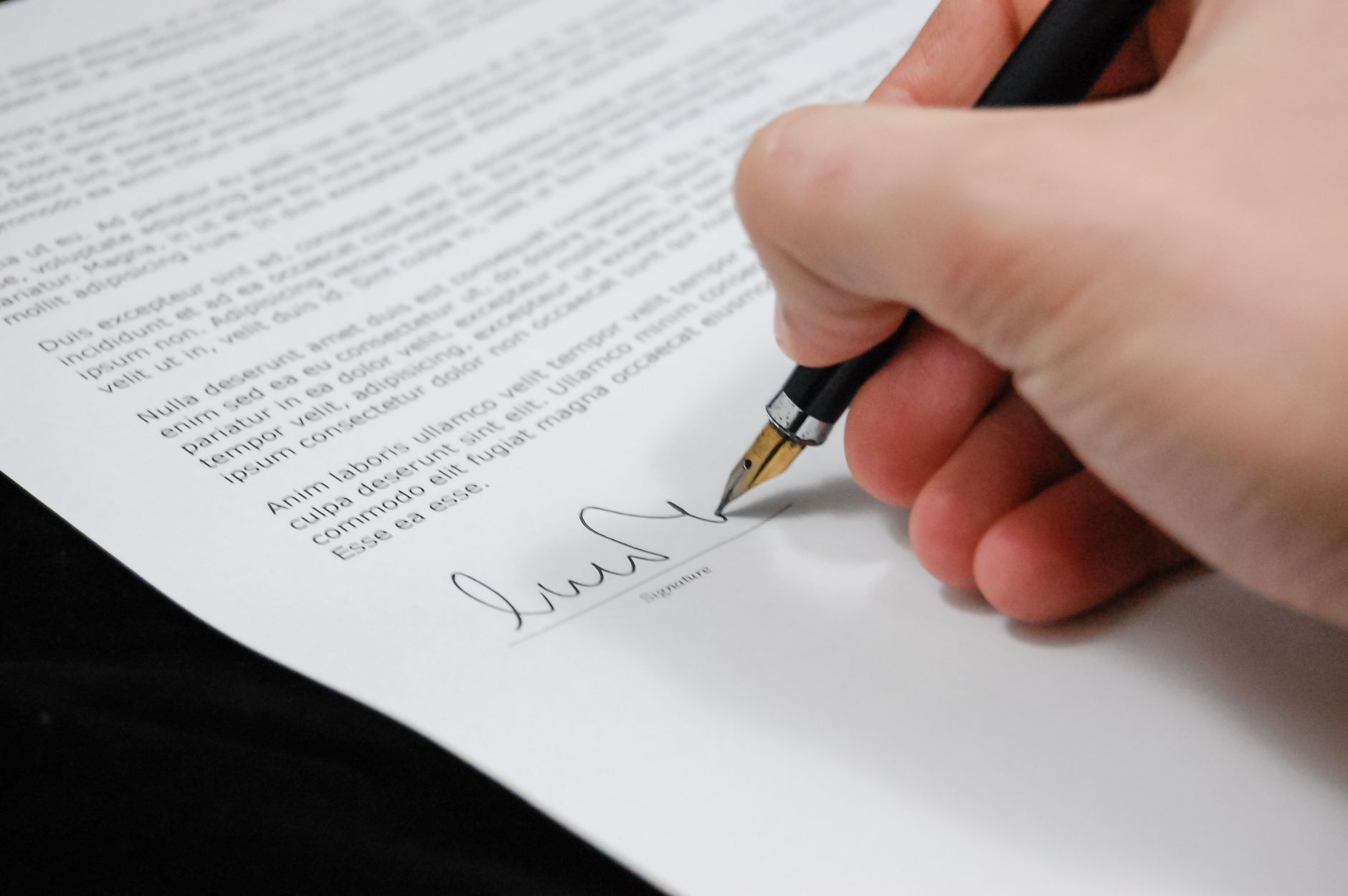
By late adolescence, most people settle on a personal signature. Some use a stylized version of the full name. Some use initials plus surname. Some use just the surname. This is a personal choice not governed by law, though banks and government offices generally accept any consistent signature.
Parents cannot make this decision for the child, but they can register a legal name that gives the child options. A full first name, middle name, and surname on the birth certificate lets the adult child choose among initials, nicknames, and full-name signatures. A minimalist registration (first plus last only) narrows the options later.
Related
For the initial audit that this piece assumes has already happened, see the full three-letter check. For the informal side across schoolyard and workplace, see the corporate audit. For the signature exercise itself, see writing the child's signature.
Frequently Asked Questions
Can my child sign legal documents with just their initials?
Rarely. Most legal signatures require a full-name form. Some contracts accept initials as a signature on individual pages (initialing each page) but the main signature block asks for the full name.
Does the child's legal name have to match the name on their birth certificate exactly?
Yes, until legally changed. Nicknames used daily do not change the legal name.
What if the initials on legal footers cause a real problem?
Professional systems usually allow a custom code. A software developer with problematic initials can choose a git username or Slack handle that does not use the initials at all.
Do initials ever appear on the birth certificate itself?
No. Birth certificates always use the full legal name.
Does my child need to know their full legal name early?
By the time they can write, yes. Preschool paperwork often asks for the full legal name even when the child is called by a nickname.
Can informal use of initials become a legal signature?
Over time and with consistent use, yes. Banks and government offices accept a personal signature that matches the signature on file, regardless of whether it uses initials or a full name.