Advertisement
A grandparent tells you what the baby's name will be. Or should be. Or how it "always has been" in the family. You are the one carrying the baby, or you are the one married to the person carrying the baby, and the name in question is one you have not chosen. This is a very common problem, older than obstetrics, and it has some workable answers.
Why Does It Feel So Loud
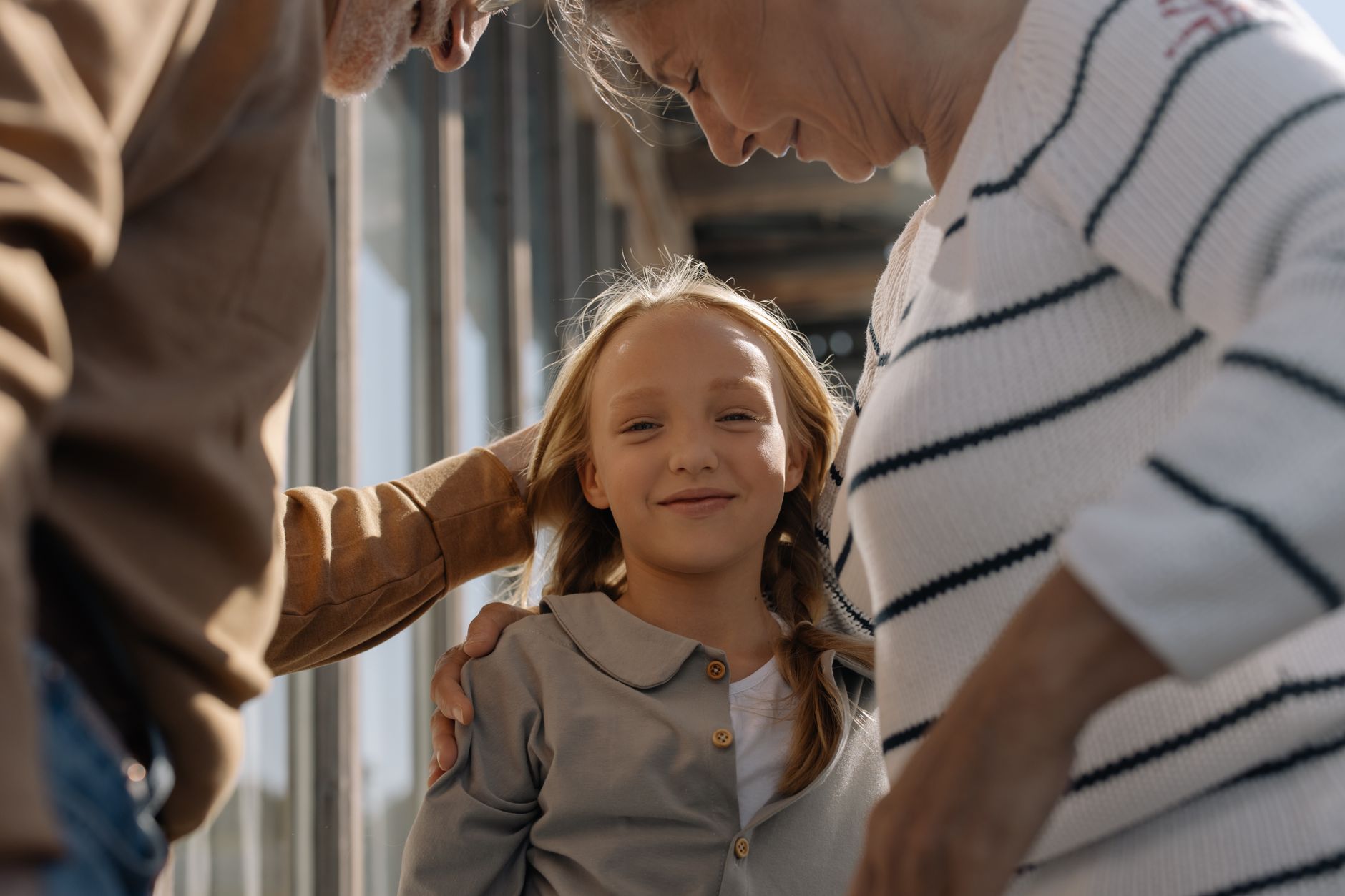
The grandparent's voice is often loud because it is the only one from the older generation still trying to shape the outcome. Your other parent may be quiet, may have already given up, may be waiting for you to handle it. The remaining voice fills the room by default.
Advertisement
Another reason: grandparents often have a longer arc in their heads. They remember the family five generations back. They may be honoring a great-great-grandfather. You are trying to pick a name for a small person who does not exist yet. The time scales are different and it makes the grandparent feel like the historian in the conversation.
Is It Fair to Ignore Them Entirely
Sometimes yes, sometimes no, and figuring out which is the actual work.
Ignore entirely when: the grandparent has been abusive, when the naming demand is a proxy for a larger control pattern, when the name they want carries a meaning that would burden the child (a slur in another language, a family history the child should not carry).
Consider seriously when: the grandparent is asking politely rather than demanding, when the name has real family history and the grandparent is the only one who knows it, when your partner also wants to honor the request but is quiet about it.
The middle ground: honor the family history without giving the grandparent decision power. This is where the middle-name slot earns its keep. A middle name honoring a grandparent's parent can settle a lot without ceding the first name.
How Should I Handle Repeated Requests
The first time a grandparent brings up a name, thank them for the thought and move on. The second time, thank them and note that you and your partner are still working through your shortlist. The third time, be direct: "We're not going to use that name as the first name. We appreciate the family history and we're thinking about the middle."
The point of the direct third response is to end the campaign. If it does not, the grandparent is not being included in the decision at all. This is not punishment. It is the recognition that repeated pressure has moved from input to lobbying, and lobbying does not belong in a two-parent decision.
What About "It's Tradition"
Tradition claims come in two flavors: real ones and invented ones. Real traditions are documented, consistent across generations, and applied fairly regardless of the current baby's parents. Invented traditions are announced for the first time by this specific grandparent to this specific baby.
Test the tradition: has every eldest son in the family carried this name? Or is this the first time it has been raised? If it is a real tradition, ask about the pattern and decide together whether you want to continue it. If it is invented for your baby, treat it as a preference and weigh it accordingly.
Consider Rita and David

Rita and David are expecting their first child. David's mother, Ellen, has been calling the baby by her late husband's name, Harold, for months. Neither Rita nor David like Harold as a first name. Ellen is grieving and does not want the name to disappear with her husband.
Rita and David talk privately. They agree that Harold as a first name is not going to happen. They also agree that they care about Ellen and about the grandfather she lost. They decide on the first name they had already chosen, and offer Harold as a middle name. They tell Ellen together, in one conversation, and make it clear that the decision is theirs but that they were moved by her request.
Ellen cries a little. She is a little disappointed. Then she is genuinely grateful. Harold is on the certificate. Her husband will not be forgotten by this small person. She had asked for the sun; she got a real piece of the moon. That was enough.
Should the Grandparent Get to Vote
Not in the formal sense. A vote gives them power to sway a result, which they do not have and should not have. But if you want to hear from them, a non-binding preference indication can be useful. Ask them to name two or three names they like. Add those names to the pool of considered names. Do not promise to pick from that pool.
For families running a formal ranked-choice vote, grandparents can be voters with weighted-down ballots, but only if both parents are fully on board with including them. If either parent is uncomfortable with the idea, they should not be voters.
What If My Partner Sides With Their Parent
This is the harder version of the problem. Your partner is now not neutral. They are actively pushing you toward a name because their parent wants it.
Try to separate two questions. First: does your partner actually like the name themselves? Second: are they advocating for it only to keep the peace with their parent?
If your partner likes the name themselves, the disagreement is between the two of you, and the grandparent is a distraction. Run a veto round, run a trade, or negotiate directly.
If your partner does not like the name but is advocating for it to keep peace, that is a family-of-origin problem, not a naming problem. Address it as such. Do not accept a name for your child because your partner cannot say no to their parent.
A Small Reference Table
| Grandparent behavior | Response |
|---|---|
| Suggests once, drops it | Thank them, consider seriously |
| Suggests repeatedly, softly | Offer middle name as compromise |
| Demands the name | State the decision is yours to make |
| Enlists other relatives | Ask them to stop lobbying through others |
| Threatens to use another name anyway | Set a boundary before birth |
Frequently Asked Questions
What if the grandparent uses a different name for the baby anyway?
Ask them directly to use the chosen name. If they persist, limit their unsupervised time with the child until they change. Consistent renaming is a real form of disrespect and should not be normalized.
Can we tell the grandparent the name is one thing and then use another?
No. This ends in embarrassment for everyone and damages trust. If you do not want their opinion before birth, do not share the name until after.
Is it okay to keep the name a secret from grandparents?
Yes. Many couples do this for exactly this reason. The name becomes public at birth, and the grandparents get to celebrate rather than campaign.
What about naming after a grandparent who is still alive?
In some cultures this is normal or even preferred. In others it is considered inappropriate. Ask what your specific family expects and decide from there.